
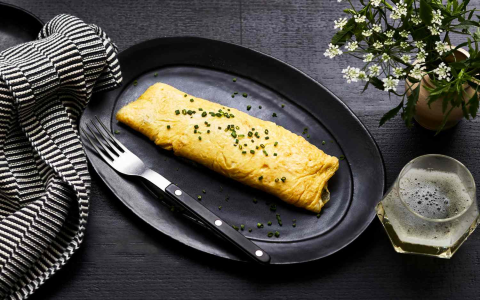

The Art and Science of Crafting Dishes from Ingredients
Introduction
Cooking is a universal language that bridges cultures and generations. At its heart, it turns raw items into meals that delight the senses and sustain life. Designing dishes from ingredients blends creativity with know-how, balancing flavor, texture, and nutrition. This article explores how thoughtful choices of produce, methods, and traditions shape memorable plates.
The Importance of Ingredients
Ingredients are the soul of every plate. Their freshness, harmony, and seasonality decide whether a meal falls flat or sings. Consider the following:
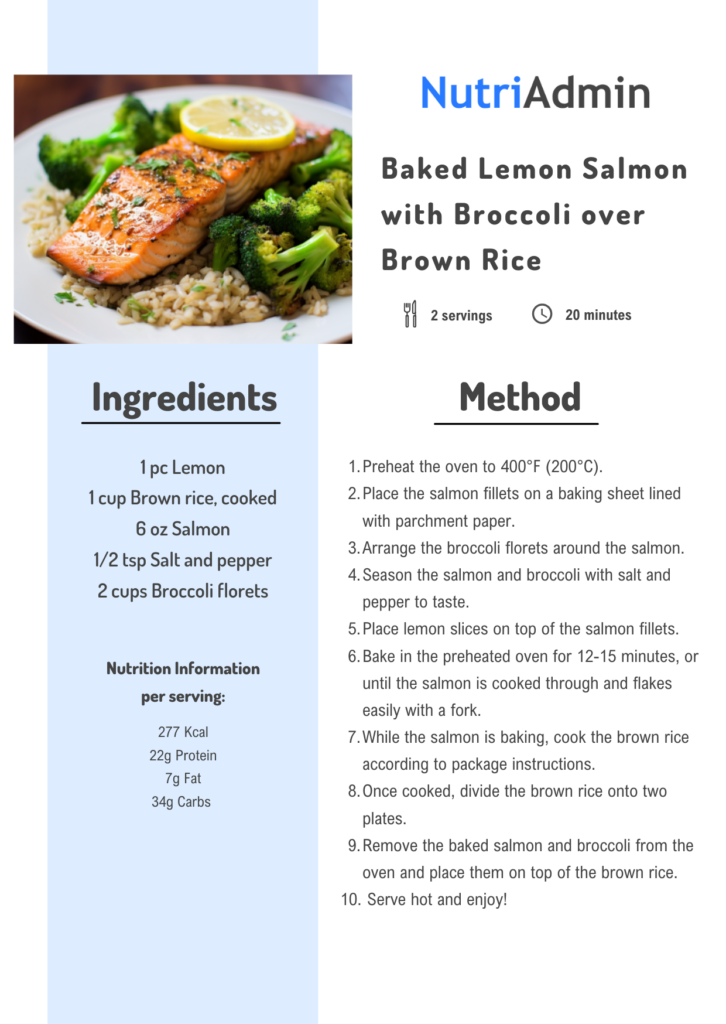
Quality over Quantity
Fresh, responsibly sourced items usually outperform larger amounts of average ones. Vibrant herbs, ripe produce, and fragrant spices heighten taste without complicated tricks.
Variety and Seasonality
Rotating what you cook with the calendar sparks inspiration, supports local growers, and lowers environmental strain. A spring pea tastes nothing like its winter cousin; embracing that difference keeps menus lively.
The Role of Culinary Techniques
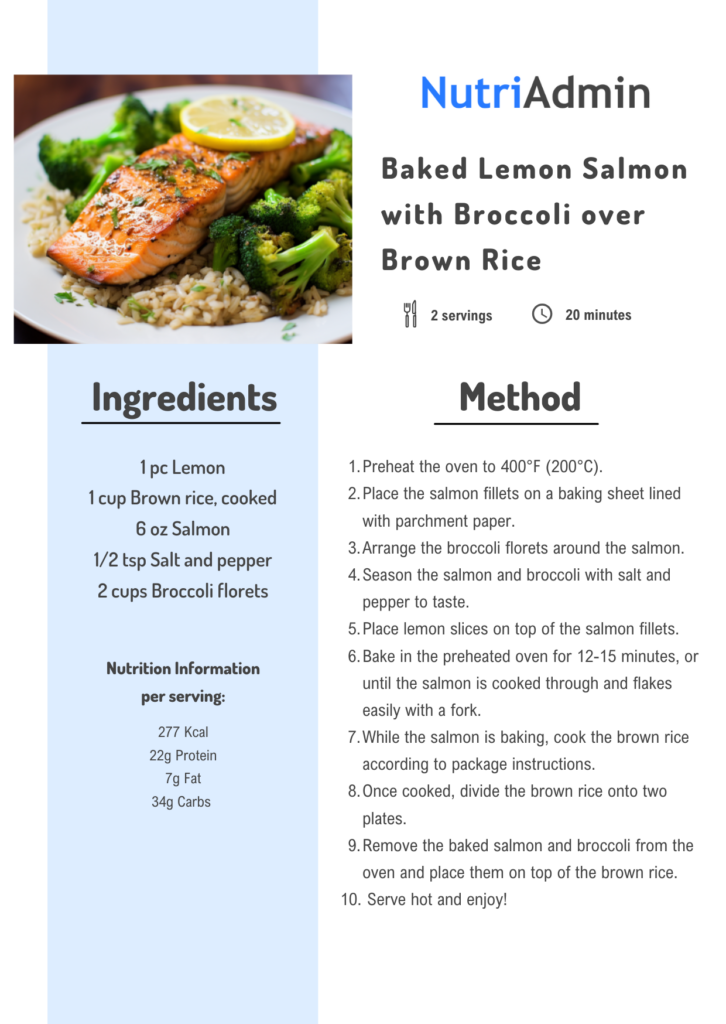
Techniques translate raw potential onto the plate. Mastering a few basics widens any cook’s repertoire:
Cooking Methods
Steaming preserves color, roasting deepens sweetness, and a quick sear can add contrast. Matching method to ingredient is half the game.
Plating and Presentation
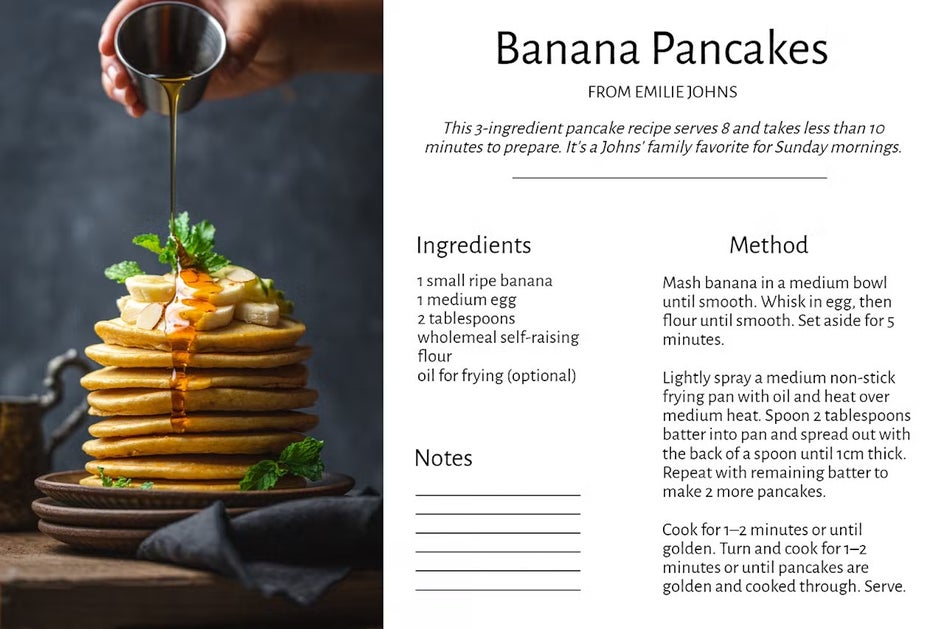
A splash of green on neutral grains or a tall stack beside a sauce pool turns eating into an experience before the first bite.
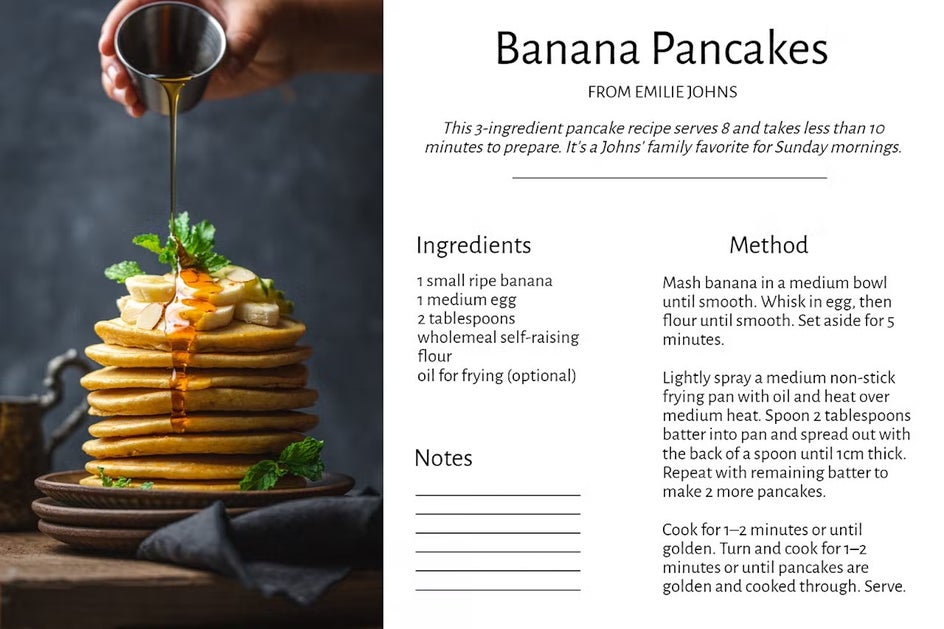
Cultural Influences on Recipe Development
Traditions act like silent co-chefs, guiding spice levels, cooking times, and pairings:
Mediterranean Approach
Sun-loving staples such as tomato, olive oil, and oregano appear again and again, proving that simplicity can travel far.
East-Asian Approach
Precision rules: brief marinades, quick wok strokes, and respect for umami create balanced bowls with minimal fuss.
Creating Recipes with Ingredients: A Step-by-Step Guide
Turning a vague craving into a reliable dish can follow a loose roadmap:
1. Identify the Purpose
Decide if the plate will star as a main, accompany others, or finish the meal sweetly. The role sets the tone for everything after.

2. Select Ingredients
Pick items at their peak, considering color contrast and flavor echoes. Let what looks best at the market guide you.
3. Determine Cooking Techniques
Choose methods that highlight, not hide. A delicate fish might steam, while sturdy roots could roast.
4. Develop the Recipe

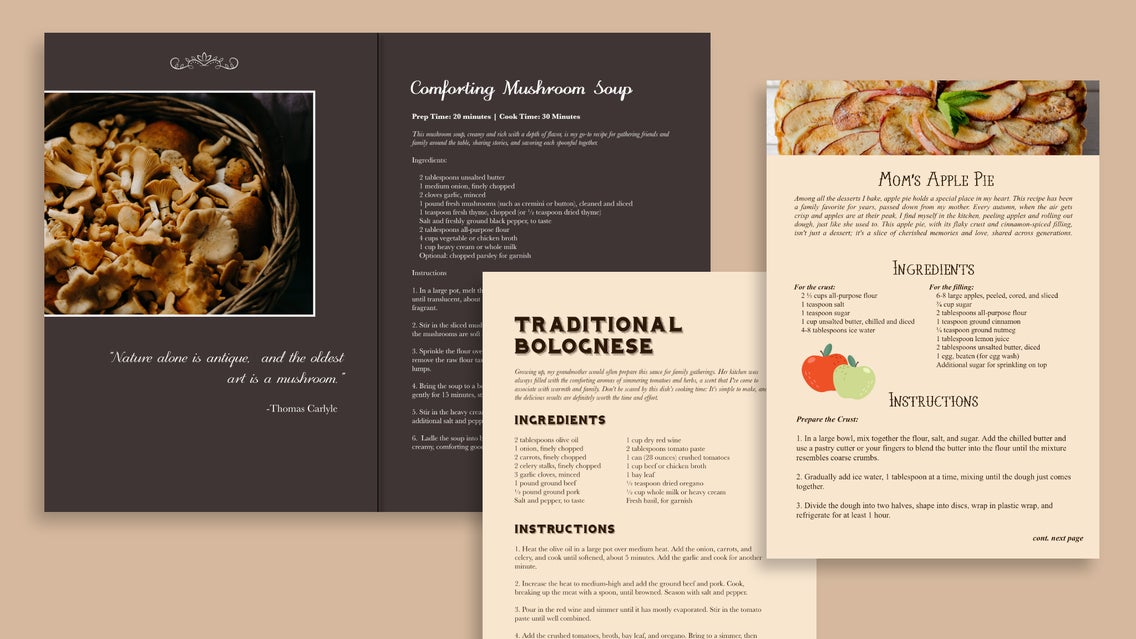
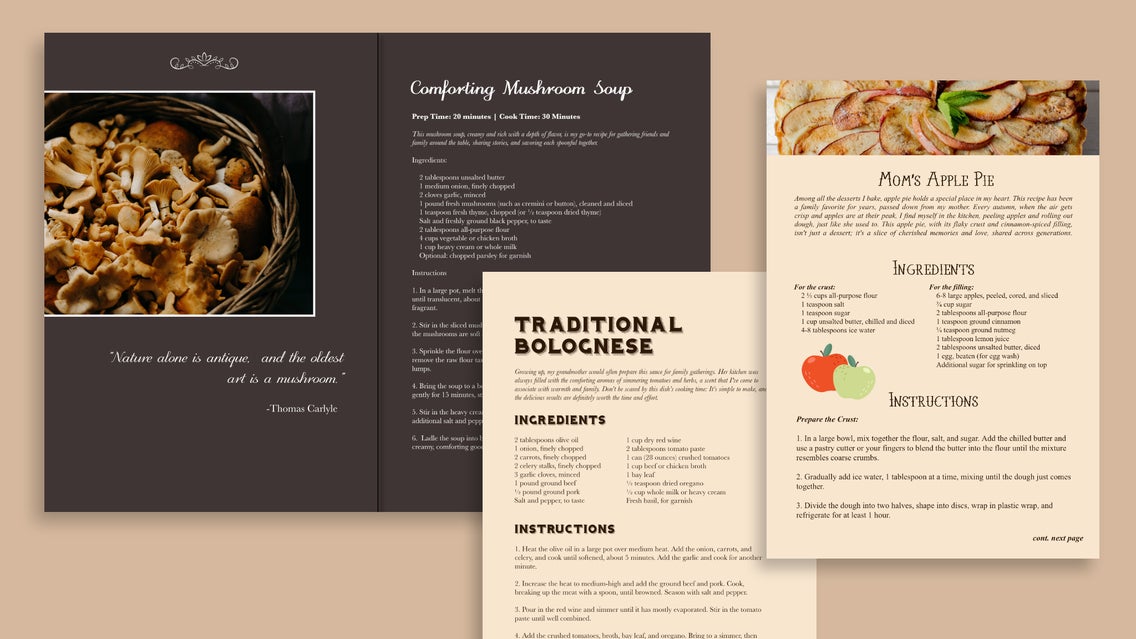
Sketch proportions on paper first, then adjust as you cook. Balance salt, acid, fat, and heat gradually.
5. Test and Refine
Invite honest palates, note tweaks, and repeat until the dish feels inevitable.
Conclusion
Building plates from raw items is an ever-evolving craft where curiosity meets technique. By respecting produce, mastering basic methods, and listening to culinary heritage, anyone can turn everyday staples into personal signatures.
Future Research Directions
Continued exploration could focus on:
– How ingredient pairings affect both flavor synergy and nutrient retention.
– Emerging kitchen tech that offers real-time feedback while you cook.
– Stories behind humble staples that have traveled continents and centuries.
Deeper inquiry promises to keep the journey of cooking fresh and meaningful.


