
Title: How Ingredient-Based Recipe Finders Are Changing Everyday Cooking
Introduction:
Cooking remains a daily ritual for millions, yet deciding what to make from the items already in the kitchen can feel overwhelming. Ingredient-driven recipe platforms solve this dilemma by turning a simple list of foods into tailored meal ideas. This article looks at how these services work, why they matter, and the ways they are reshaping home cooking.
The Concept of Ingredient-Based Recipe Finders
An ingredient-based recipe finder is a digital service that suggests dishes starting from whatever users already have. By comparing entered items with an extensive collection of dishes, the system returns practical options ranked by compatibility. The approach has surged in popularity because it removes guesswork and invites playful exploration without extra shopping.
The Importance of Ingredient-Based Recipe Finders
1. Time-saving: Instead of browsing countless cookbooks or sites, users receive instant suggestions that match their pantry, freeing up minutes better spent at the stove.
2. Encourages experimentation: Seeing unexpected pairings—such as lentils with citrus or pasta with yogurt sauce—nudges cooks toward new flavor territories.
3. Reduces food waste: Using what is already on hand means fewer forgotten vegetables in the crisper and less discarded food at the end of the week.
4. Customization: Filters for allergies, calorie goals, or personal taste let each household adapt results to its own rules, making every recipe feel purpose-built.
How Ingredient-Based Recipe Finders Work
Ingredient-based recipe finders typically work by following these steps:
1. User input: The visitor types or selects the foods available, from staples like rice to odd leftovers such as half a can of coconut milk.
2. Algorithmic matching: The engine weighs factors—flavor overlap, cooking time, and required secondary items—against its catalog to locate viable meals.
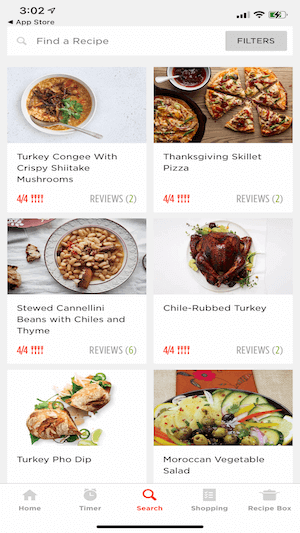
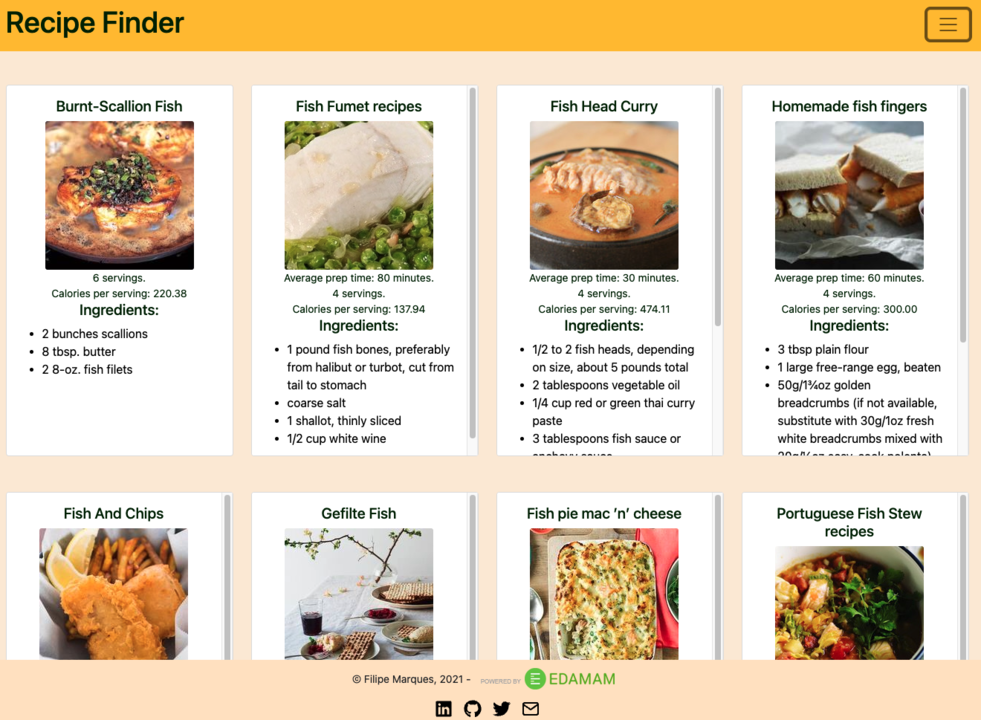
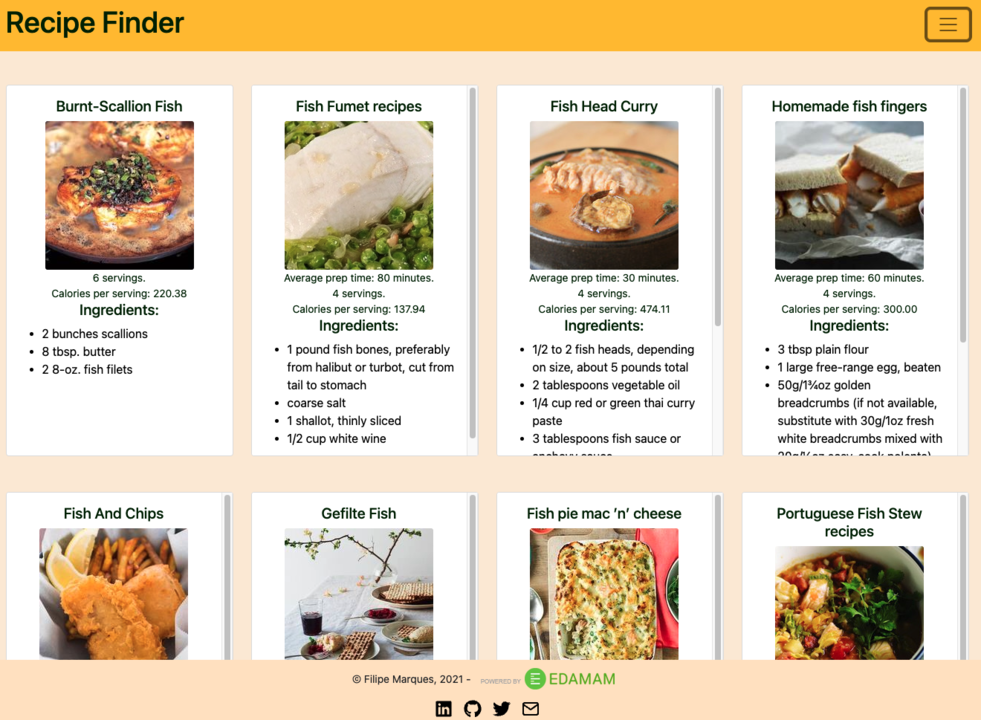
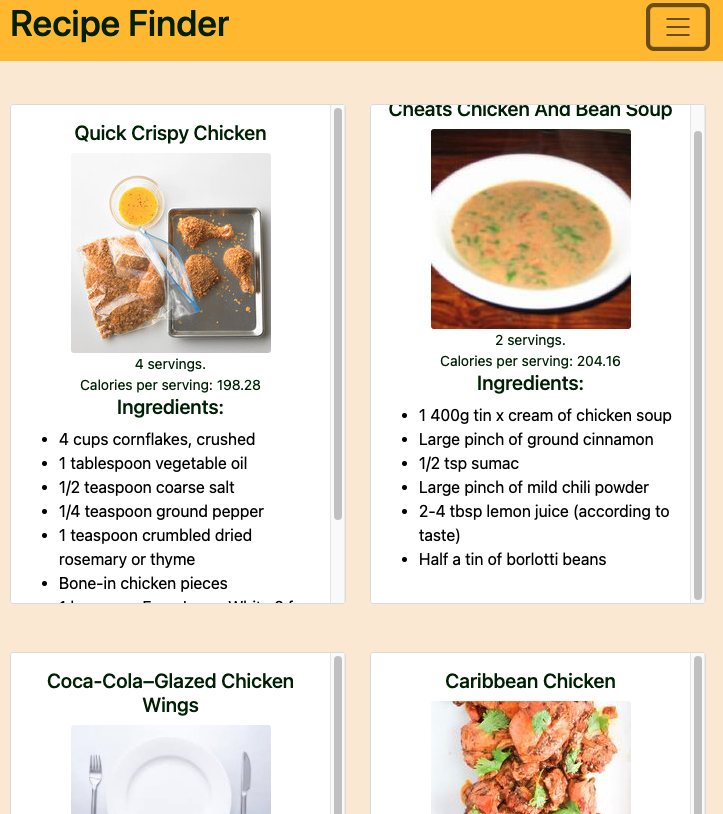
3. Recipe selection: A ranked list appears, often with photos, estimated times, and missing-item alerts so users can choose at a glance.
4. Recipe customization: One-click substitutions, portion scalers, and step-by-step videos let home cooks tweak dishes before the first ingredient hits the pan.
The Impact of Ingredient-Based Recipe Finders on Cooking
The introduction of ingredient-based recipe finders has had a significant impact on the way we cook. Here are a few notable impacts:
1. Increased recipe diversity: Families report rotating through broader global cuisines because the tool surfaces Korean pancakes, Moroccan tagines, or Brazilian stews that might never have appeared in a standard search.
2. Enhanced cooking skills: Regular exposure to new techniques—like blanching greens or tempering spices—builds confidence and broadens culinary knowledge over time.
3. Greater convenience: Weeknight dinner stress drops when a satisfying recipe is only a few taps away, even after a long workday.
4. Encouragement of home cooking: Knowing that tasty meals are achievable without extra grocery trips motivates more people to skip takeout and prepare food themselves.
Challenges and Future Directions
While ingredient-based recipe finders offer numerous benefits, there are still challenges to be addressed. Here are a few challenges and potential future directions:
1. Data accuracy: Maintaining up-to-date measurements, clear instructions, and reliable nutrition facts requires constant review and community feedback loops.
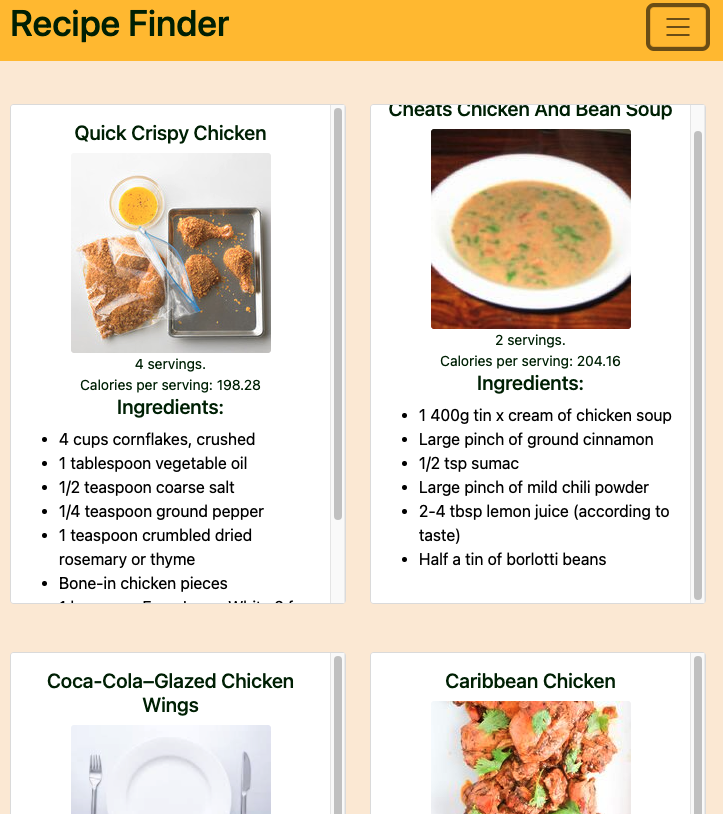
2. User experience: Designers continue to refine voice input, visual recognition of fridge contents, and multilingual support so the service feels effortless across cultures.
3. Integration with other platforms: Seamless hand-offs to grocery delivery, smart appliances, or meal-planning calendars promise an end-to-end cooking ecosystem.
4. Expansion of recipe options: Developers are crowdsourcing regional dishes and plant-based alternatives to ensure everyone—from vegans to gluten-free households—finds ample inspiration.
Conclusion:
Ingredient-based recipe finders have transformed everyday cooking by converting humble pantry lists into creative, waste-conscious meals. They save time, invite culinary adventure, and make dietary personalization simple. As algorithms grow smarter and databases expand, these tools will only become more intuitive, further encouraging home kitchens everywhere to explore, enjoy, and share good food.