


The Importance of Homecooked Meals in Modern Society
Introduction
In a time when ready-made meals and delivery apps dominate, the simple act of cooking at home can feel almost revolutionary. Yet the value of preparing food in one’s own kitchen reaches far beyond the plate. From nourishing the body to calming the mind and strengthening relationships, homecooked meals quietly shape healthier, happier lives. This article explores why reclaiming the stove matters more than ever.
Nutritional Benefits of Homecooked Meals
Nutritional Value and Control
When you cook for yourself, every ingredient is a choice. Adding an extra handful of greens, swapping refined grains for whole ones, or trimming excess salt becomes effortless. Over time these small decisions add up to meals that naturally supply more fiber, vitamins, and balanced energy, supporting long-term wellness without the need for strict diets.
Reduction in Processed Foods
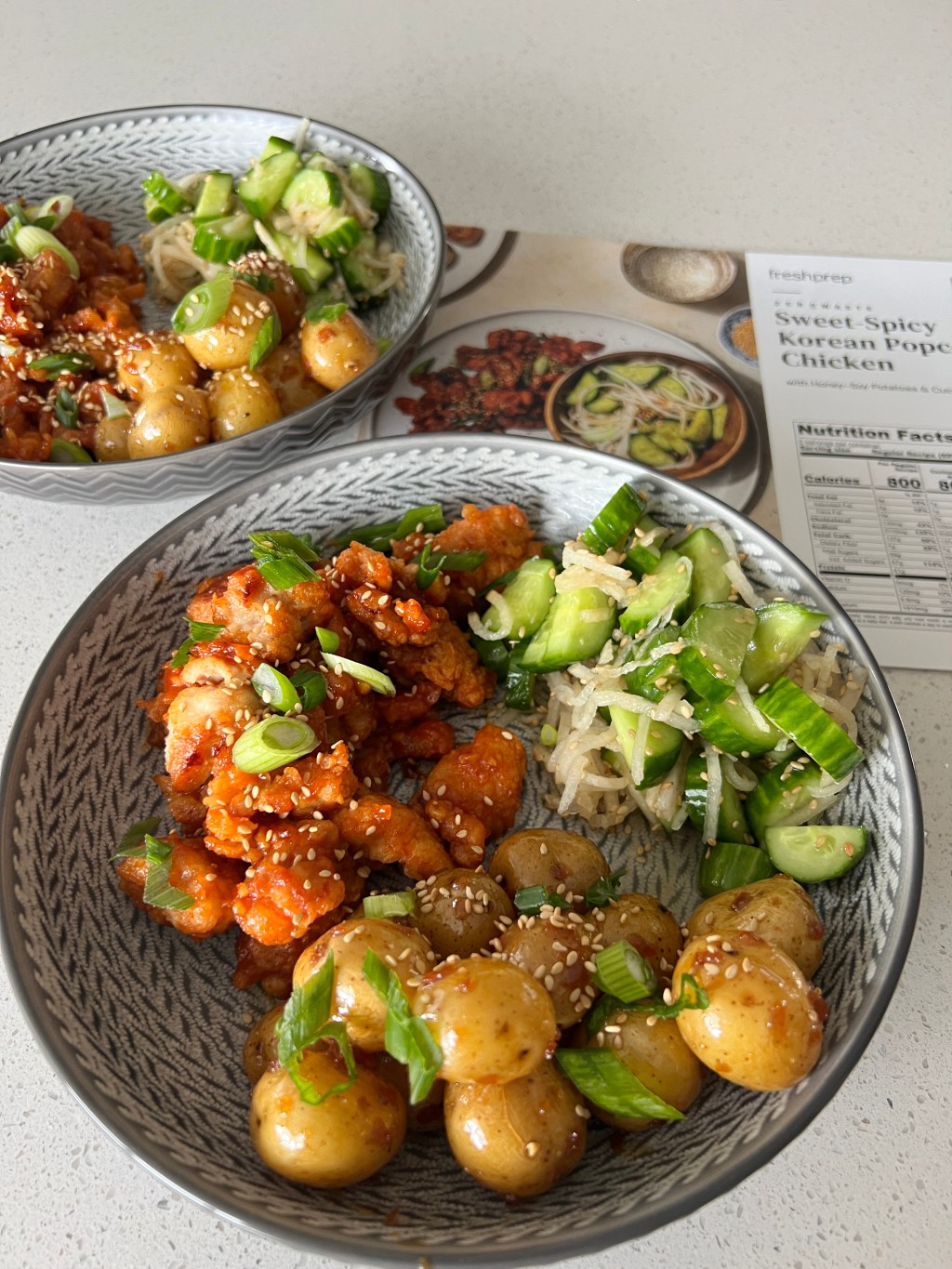
Restaurant dishes and packaged foods often hide surprising amounts of sugar, saturated fat, and additives designed to extend shelf life rather than nourish people. By cooking at home, families sidestep these hidden extras and discover that fresh produce, herbs, and spices can deliver vibrant flavor on their own, making wholesome eating enjoyable rather than restrictive.
Mental Health and Well-being
Stress Reduction
The rhythmic chop of a knife or the gentle simmer of a sauce can become a mindful pause in a hectic day. Focusing on colors, aromas, and textures grounds the cook in the present moment, lowering tension and offering a creative outlet that costs far less than a therapy session yet yields similar relief.
Enhanced Family Bonding
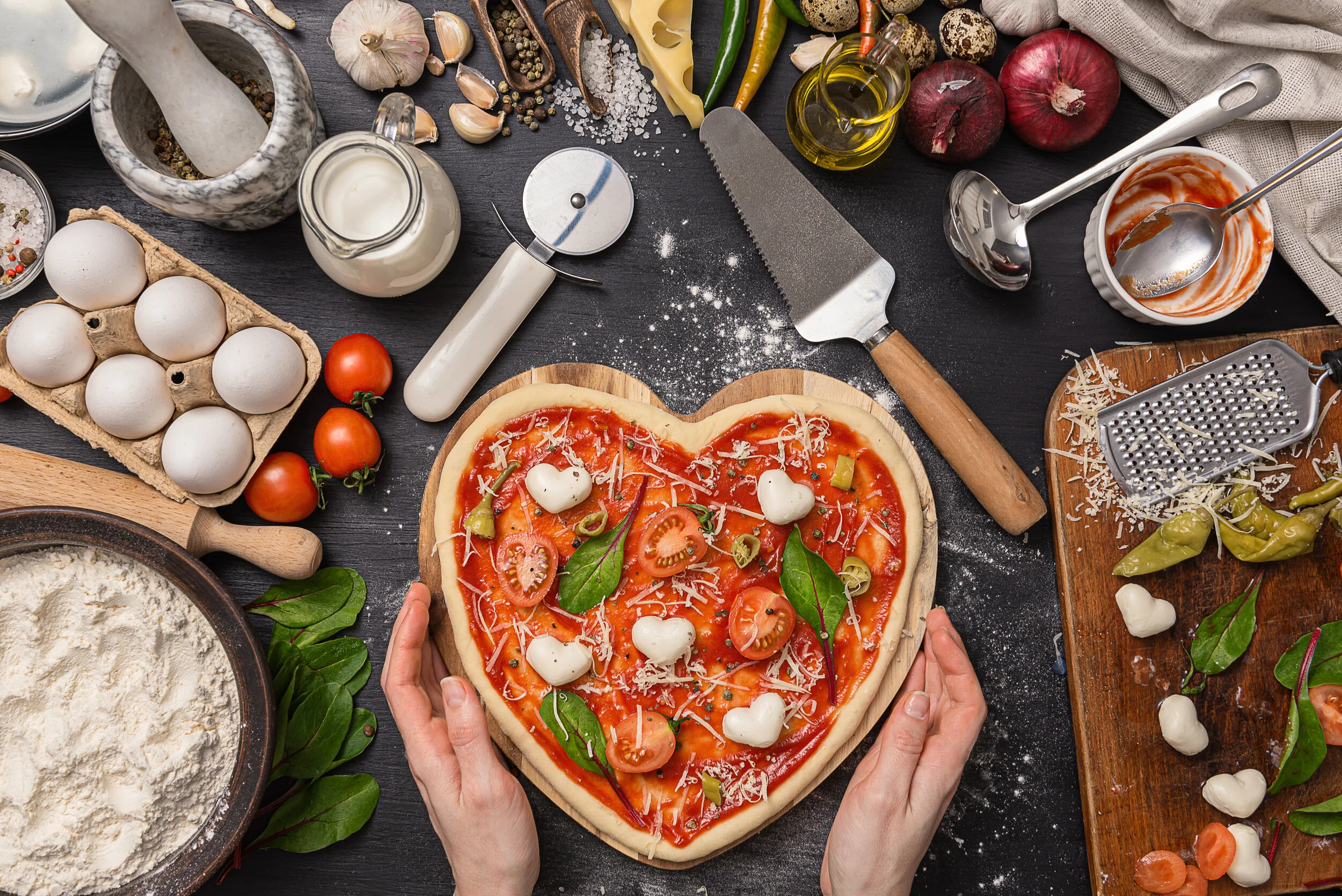
Shared meals carve out dependable islands of togetherness. Whether relatives trade stories over homemade pizza or roommates rotate weekly taco nights, the ritual of sitting down to food made with care fosters open conversation, deeper trust, and memories that outlast any restaurant reservation.
Family Dynamics and Socialization
Teaching Life Skills
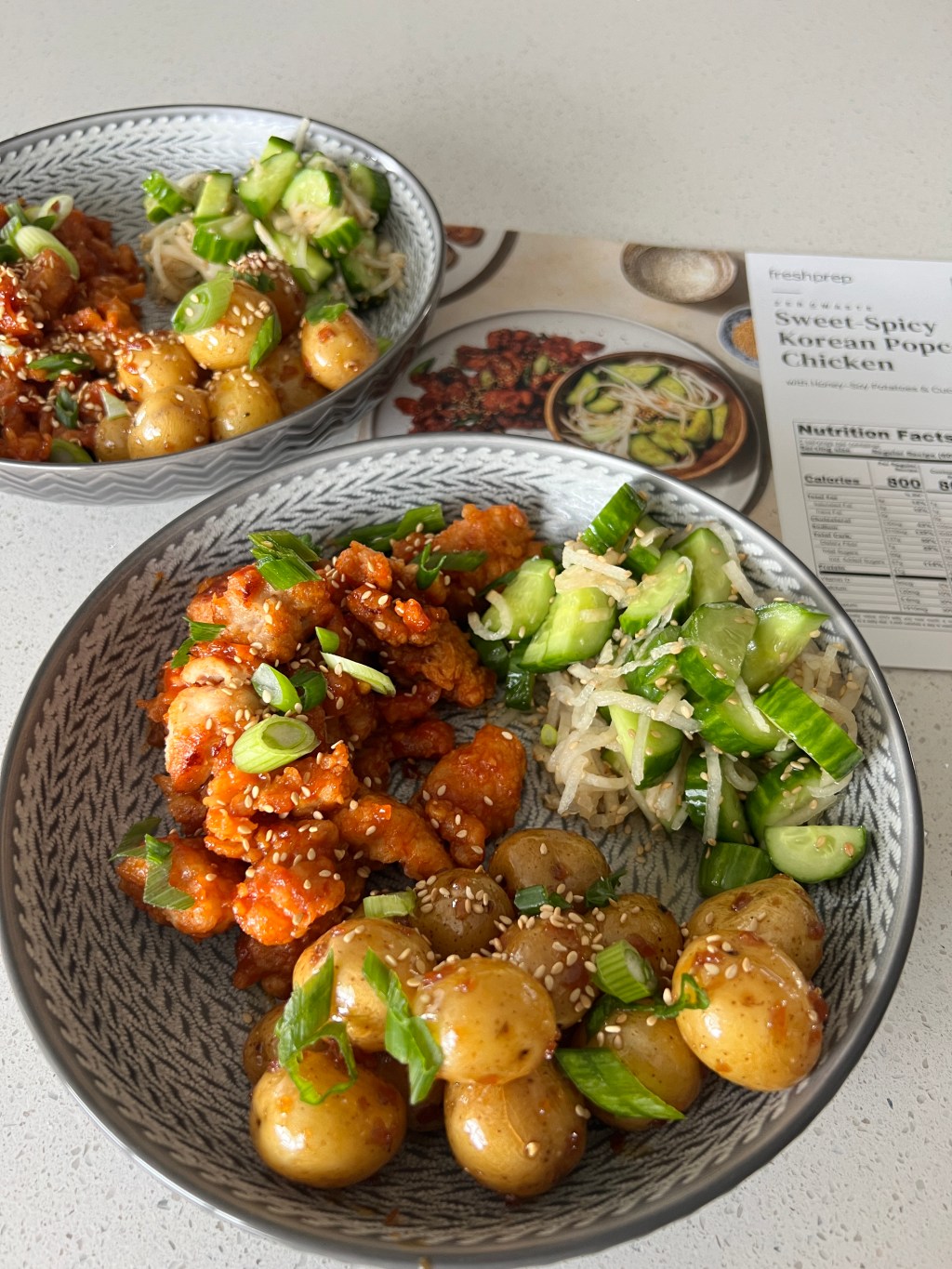
Measuring flour, adjusting heat, and rescuing a sauce that’s about to scorch teach patience, problem-solving, and confidence. Children who help in the kitchen carry these lessons into adulthood, equipping them to feed themselves well on any budget and to view cooking as an act of self-respect rather than a chore.
Socialization and Cultural Exchange
A pot of stew can travel farther than a passport. Inviting neighbors to taste a family recipe or learning a friend’s traditional bread opens gentle pathways to understanding different backgrounds. Every shared dish becomes a conversation starter, weaving diverse threads into the fabric of a community.
Conclusion
Homecooked meals are more than sustenance; they are daily opportunities to protect health, nurture minds, and knit people together. Choosing to cook is choosing to invest in oneself and in the circles we inhabit. As schedules fill and screens beckon, the quiet sizzle of onions in a pan remains a powerful declaration that some things—flavor, family, and well-being—are worth the time.
Recommendations and Future Research
To keep the tradition alive and growing, several simple steps can help:
1. Community hubs can host relaxed, hands-on workshops that demystify basic techniques for all ages.
2. Health organizations can share quick, budget-friendly recipes through social media to inspire weeknight cooking.
3. Workplaces can discourage after-hours emails, giving employees the mental space to shop and sauté without rush.
Researchers, meanwhile, could track how consistent home cooking influences long-term happiness, academic success, and neighborhood cohesion. Studies might also examine how smart appliances and meal-planning apps can shorten preparation time without eroding the human touch that makes homemade food special.
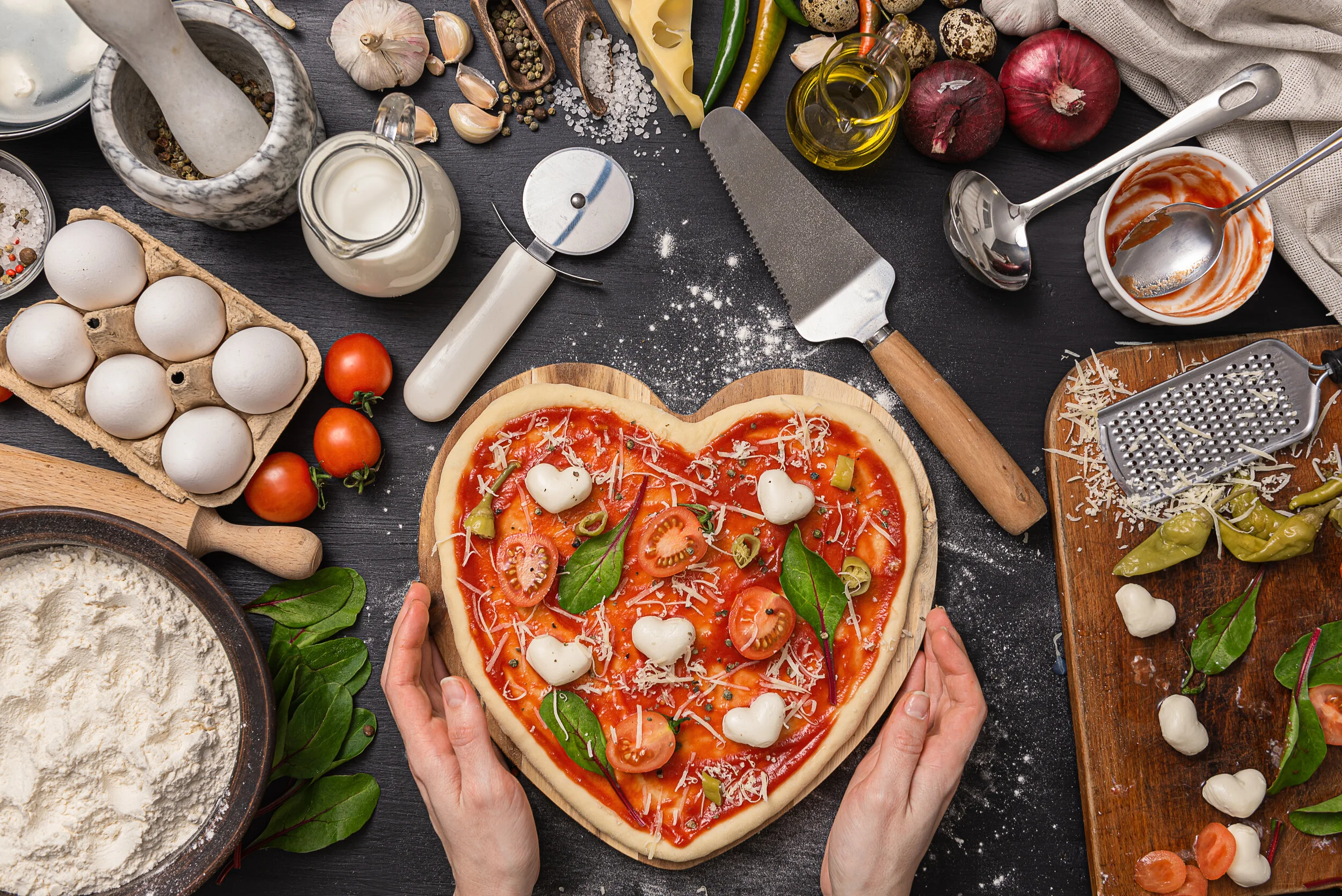
In summary, every meal stirred, seasoned, and served at home is a small act with outsized rewards. By claiming our spatulas, we season not just dinner, but life itself.


