
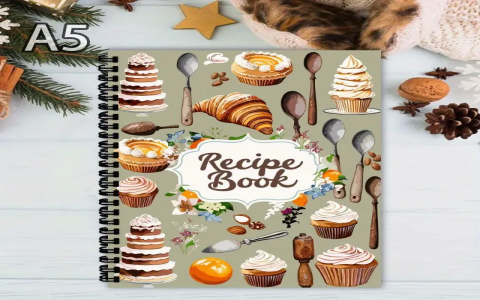

The Art of Cooking: Fresh Concepts for Modern Kitchens
Introduction
Cookbooks have always been trusted companions in the kitchen, guiding novices and seasoned cooks through flavors, methods, and creativity. As tastes shift and readers look for more personal, imaginative guidance, the call for inventive cookbook concepts keeps growing. This piece highlights a variety of angles authors can take to satisfy curious minds and restless spatulas everywhere.
The Rise of Niche Cookbooks
Modern readers often reach for titles that zero in on a single ingredient, lifestyle, or cultural story. The appetite for specialized knowledge encourages writers to dig deep and serve up focused inspiration. Consider these popular directions:

1. Plant-Forward Kitchens
Books that celebrate vegetables, pulses, grains, and fruits continue to attract home cooks eager to lighten their plates and explore new textures without sacrificing satisfaction.
2. World Tour on a Plate
Regional specialties, street-food classics, and family staples from distant corners of the globe invite readers to travel by taste while learning the stories behind each bite.
3. Free-From & Friendly

Guides that remove gluten, nuts, dairy, or other triggers help everyone gather around the same table with confidence and flavor intact.
The Importance of Visual Appeal
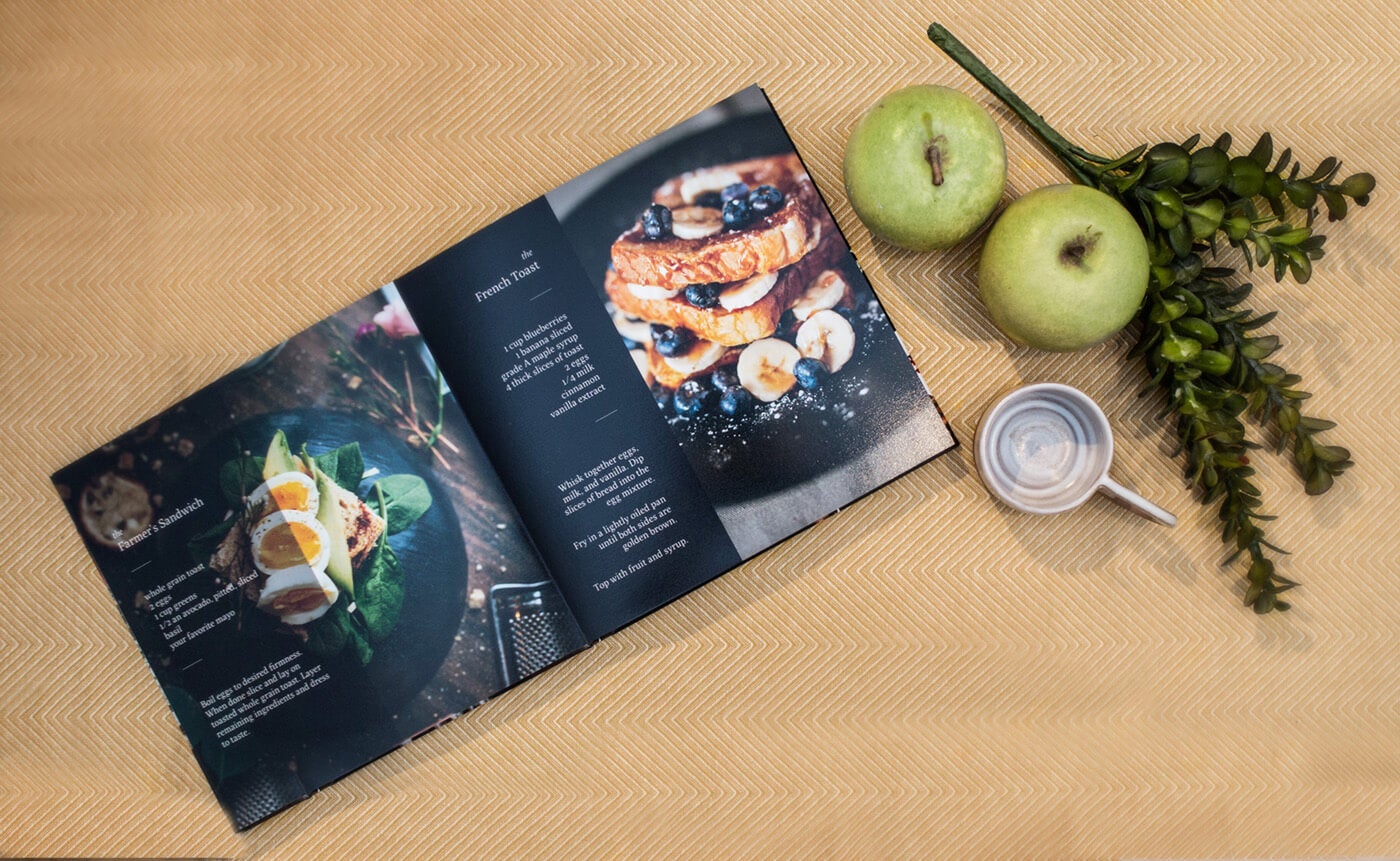
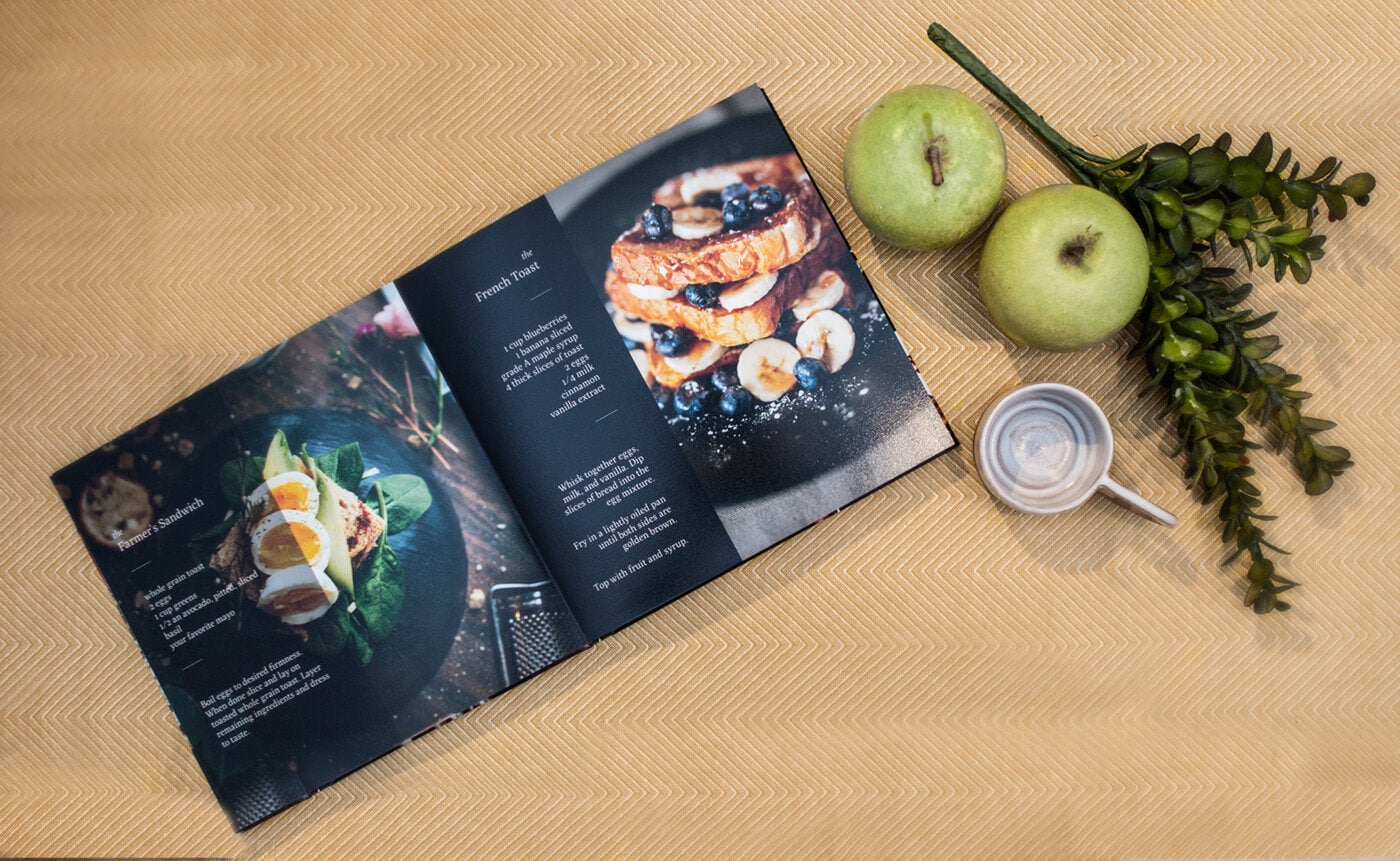
A recipe’s first impression often comes from imagery. Crisp photos, clean layouts, and intuitive design turn browsing into craving and hesitation into action. A few ways to elevate the look:
1. Step-by-Step Frames
Sequential shots demystify tricky stages, giving cooks the courage to flip, fold, or ferment without fear.
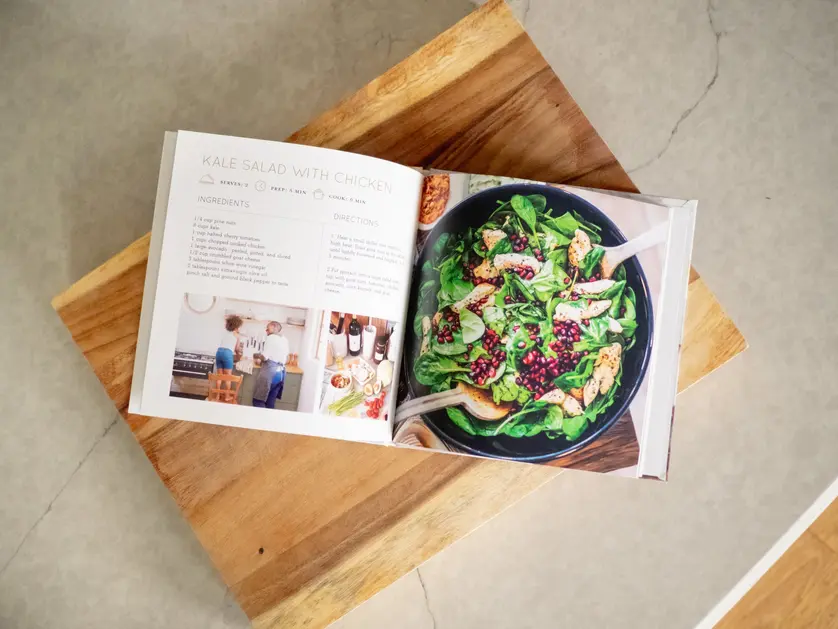
2. Quick-Glance Graphics
Timelines, temperature charts, and substitution wheels save readers from riffling through paragraphs mid-stir.
3. Kitchen Tales
Brief anecdotes about a dish’s origin or a memorable cooking session add warmth and relatability between the technical lines.
Interactive and Digital Cookbooks
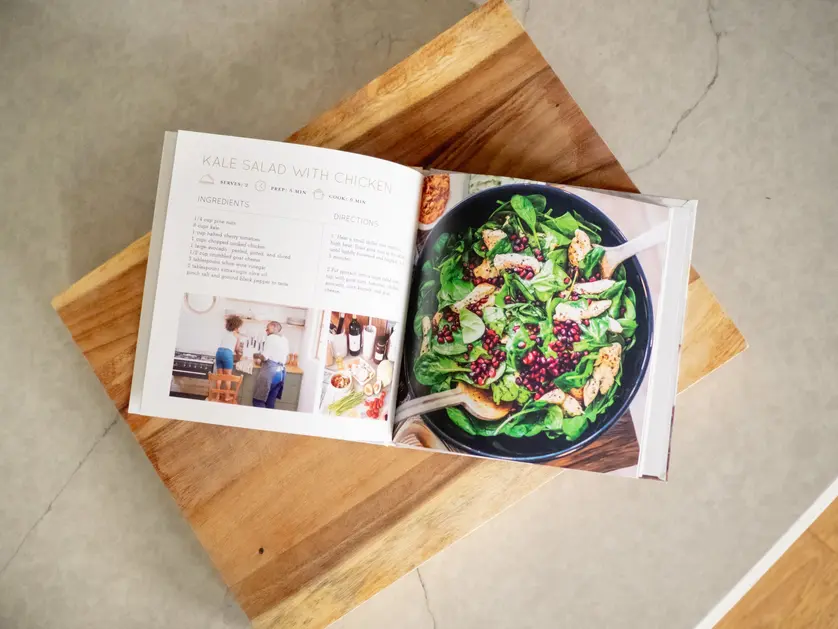
Pixels and paper now share the same shelf. Digital editions can stretch far beyond static pages, offering motion, sound, and community. Some possibilities:
1. Mini Video Lessons
Short clips embedded beside the recipe show texture changes, knife skills, or plating finesse in real time.
2. QR Portals
A quick scan can open shopping lists, audio pronunciations of foreign ingredients, or bonus dessert ideas.
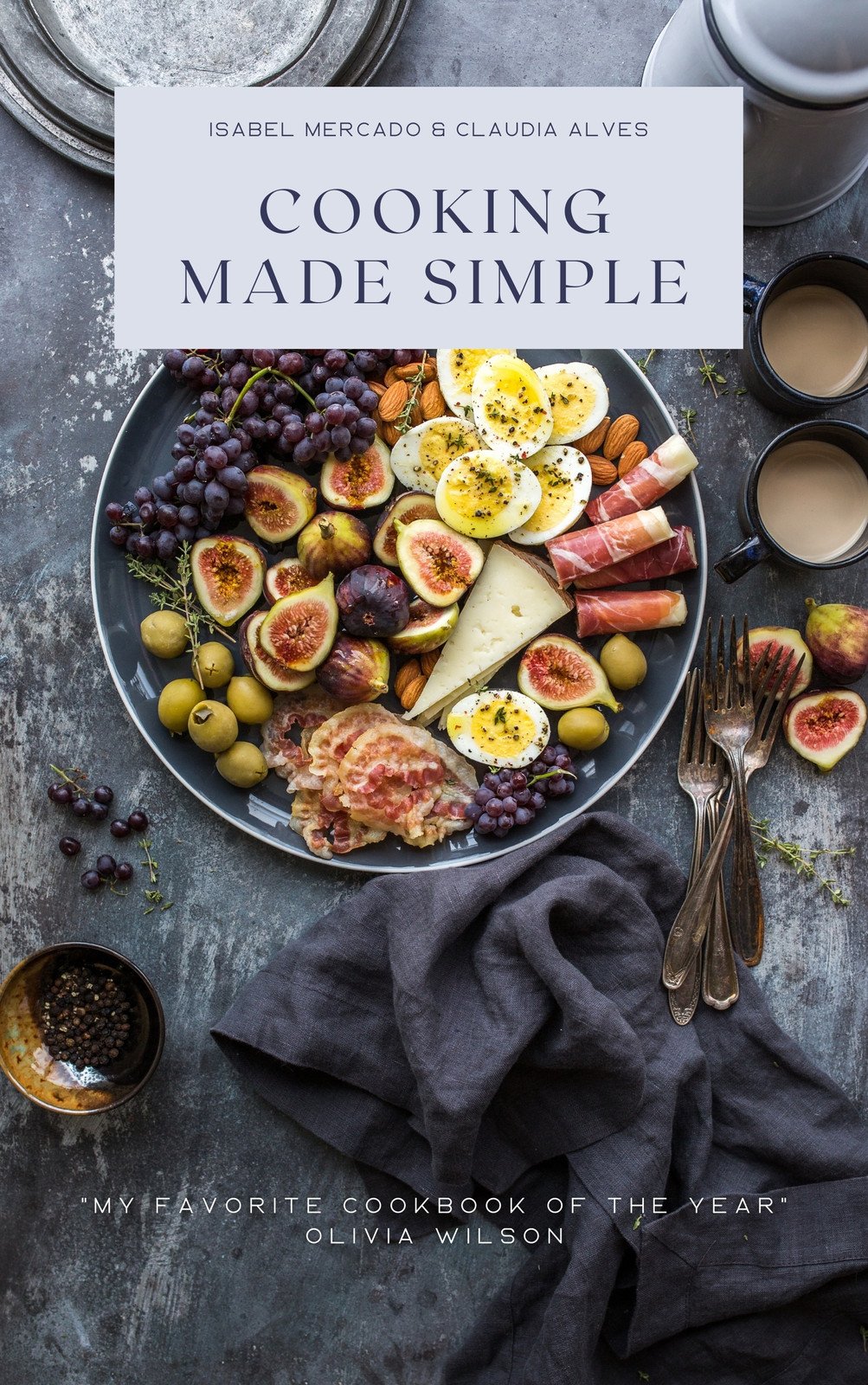
3. Shareable Success
Built-in hashtags or upload buttons encourage cooks to post their results, fostering a friendly feedback loop.
The Role of Technology in Cookbooks
Innovation does not stop at the screen. Production tools and tracking systems can enrich both content and trust. Emerging helpers include:
1. Augmented Reality Garnishes
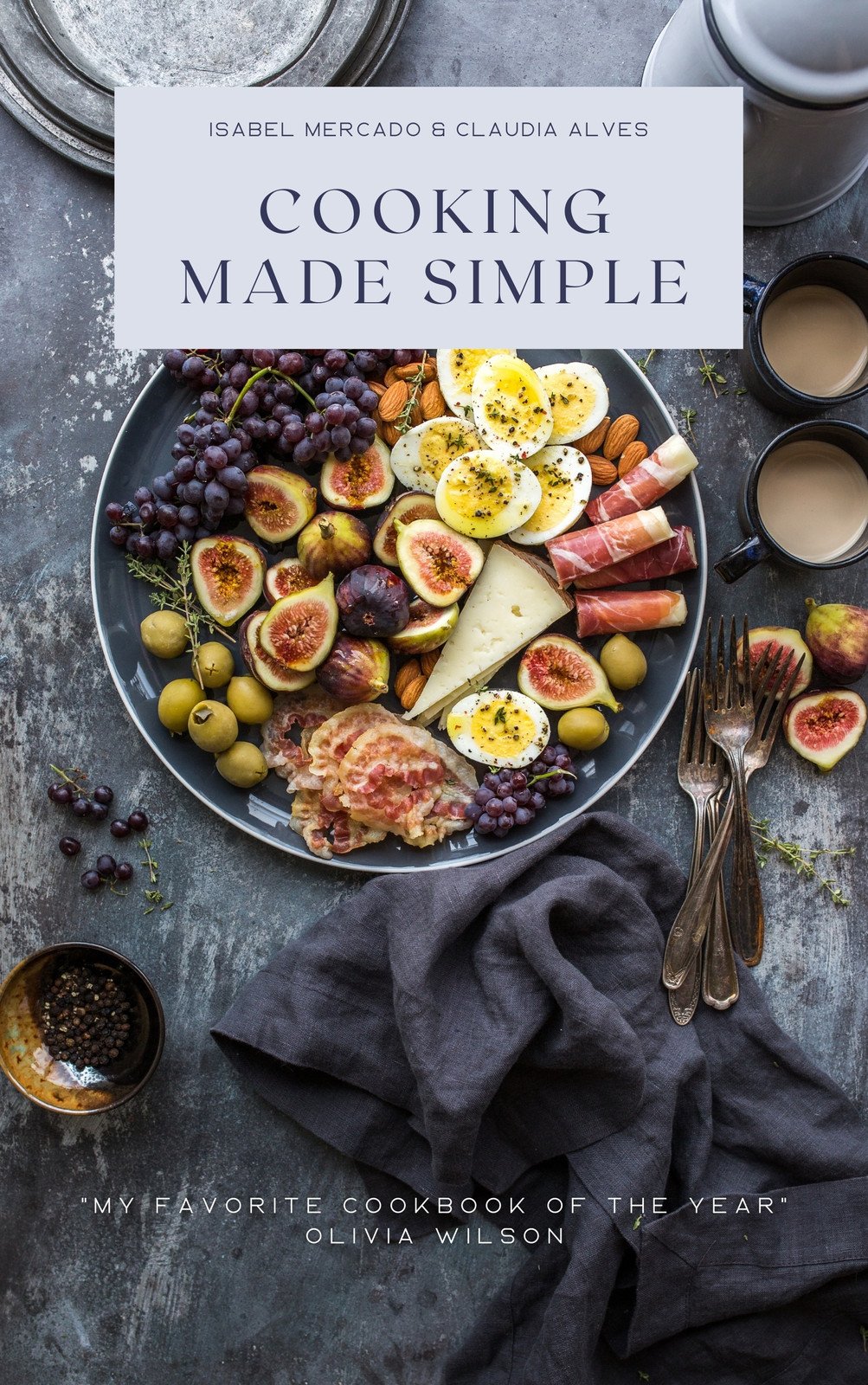
Point a device at the page and watch the plated dish hover in 3-D, ready for a virtual spin.
2. Printable Kitchen Tools
Custom stencils, cookie cutters, or measurement jigs can be fabricated on demand for special chapters.
3. Traceable Origins
Secure ledgers can verify sourcing tales, letting readers peek at the journey from soil to skillet.
Conclusion
Cookbooks thrive when they balance novelty with clarity, technology with taste, and personal voice with universal hunger. By embracing focused themes, eye-catching presentation, interactive extras, and forward-looking tech, authors can keep inspiring curious cooks everywhere. The next chapter of culinary publishing is wide open, waiting for fresh voices to turn the page.
Recommendations and Future Directions
Writers and publishers ready to stir the pot can consider these steps:
1. Track Trends: Watch menus, markets, and social feeds for emerging ingredients and rising diets.
2. Invite Experts: Bring in chefs, farmers, or scientists for credible tips and enticing twists.
3. Play with Tech: Test apps, AR, or smart packaging to surprise and delight.
4. Talk Back: Use surveys, live demos, or online groups to keep the conversation sizzling.
Upcoming studies might explore how cookbooks shape culinary learning, foster cross-cultural appreciation, or integrate even smarter tools that respond to a reader’s own kitchen in real time.


