
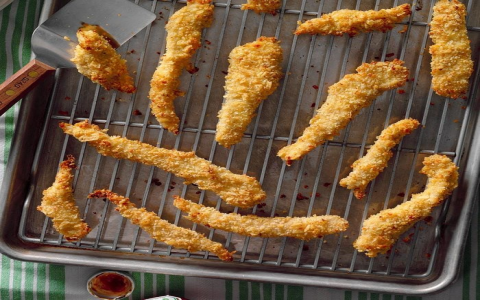

Homemade Fast-Food Favorites: A Culinary Trend Analysis
Introduction
Fast-food meals have become a global staple, yet more home cooks are now trying to recreate the same flavors in their own kitchens. This article explores the rise of homemade versions of popular quick-service dishes, looking at why people do it, how it affects diners, and what it means for the industry.
The Rise of Homemade Fast-Food Recipes
Origins and Evolution
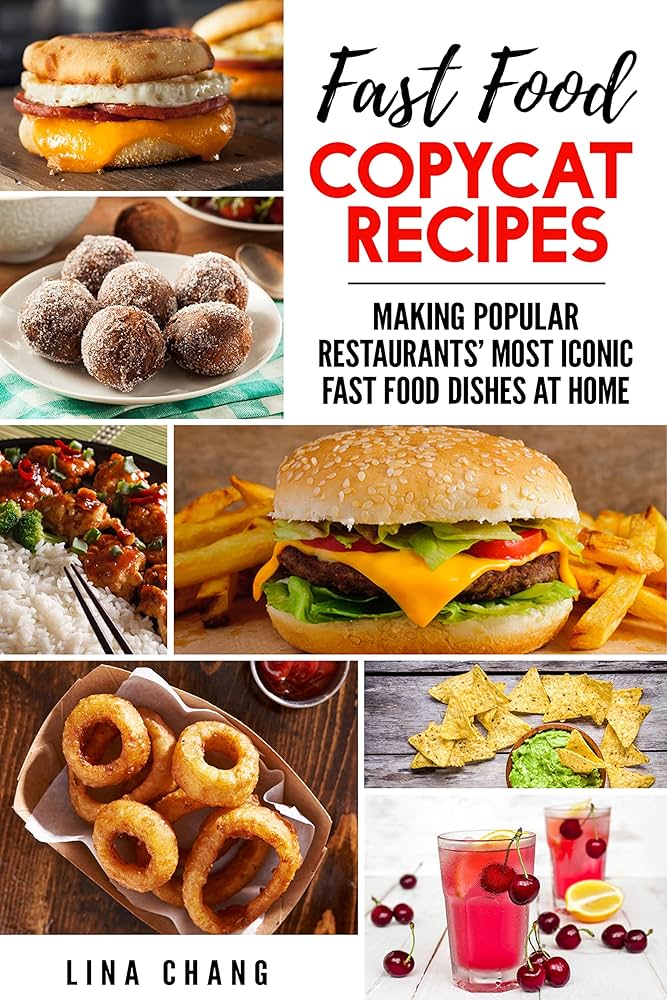
Ever since drive-thrus appeared, curious cooks have tinkered with copycat ideas. Recipe forums, video channels, and social groups later turned these experiments into a shared hobby that keeps growing.
Popularity and Reasons
Three main motives stand out: saving a trip to the restaurant, trimming the food budget, and enjoying the reward of nailing a familiar taste. Flexibility and creativity in the kitchen add extra appeal.
The Impact on Consumers
Cost Savings
Preparing signature burgers, nuggets, or shakes at home usually costs far less than ordering out, especially for families or students watching expenses.
Quality Control
Cooks pick their own produce, oils, and seasonings, allowing fresher choices and the option to cut salt, sugar, or additives.
Customization
Recipes can be tweaked for spice level, plant-based swaps, or regional ingredients, giving everyone a personal twist on the original.
The Impact on the Quick-Service Industry
Competition
When diners feel confident replicating a chain’s signature item, visit frequency can drop, nudging brands to justify the premium they charge.
Innovation
The buzz around homemade clones encourages companies to test bolder flavors, limited-time offers, and better ingredients to stay ahead.
The Science Behind the Flavor
Flavor Profiles
Balancing salt, fat, acid, and umami—while matching signature spice blends—is the first step toward an authentic taste.
Techniques and Equipment
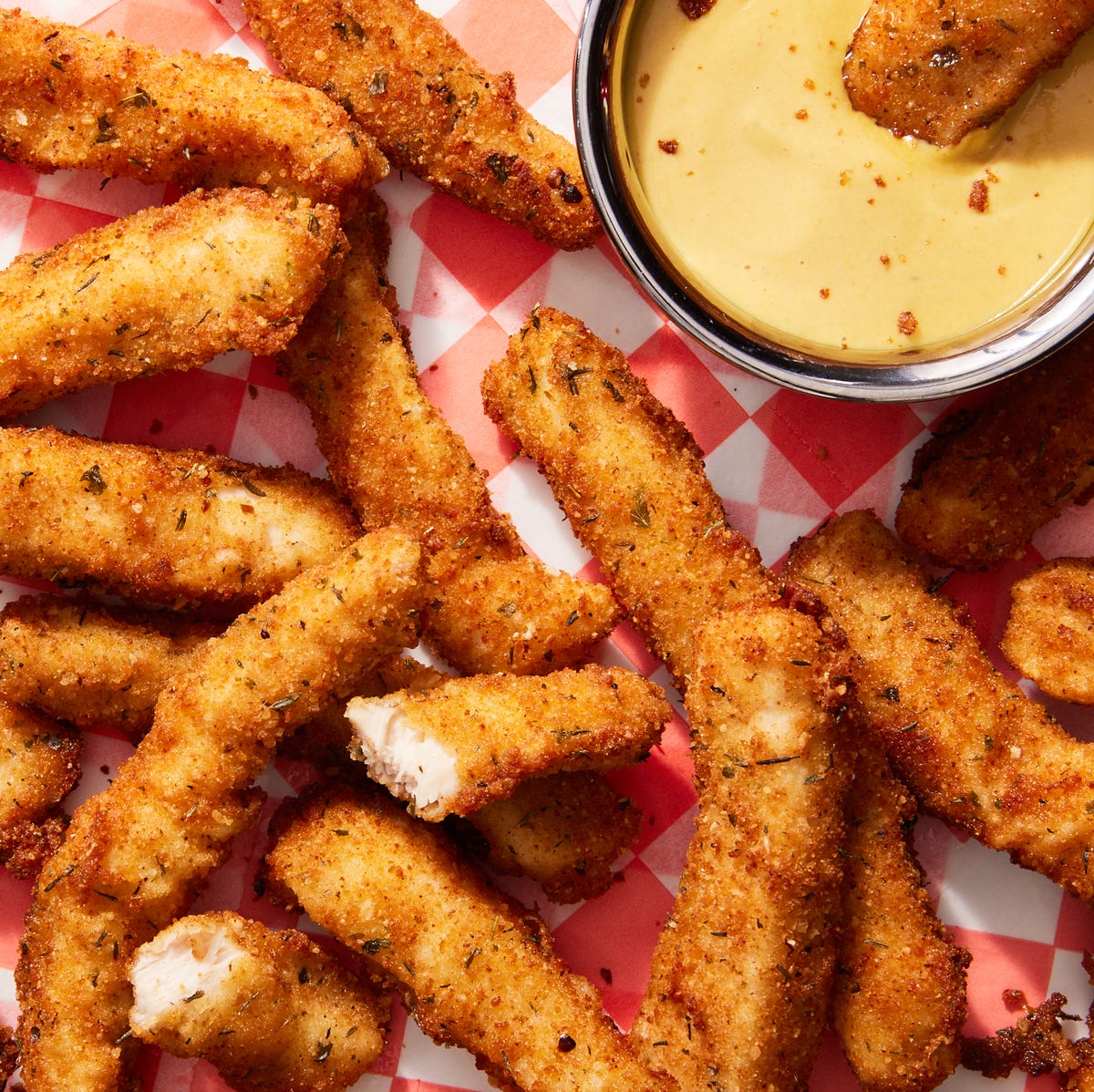
Restaurant tricks such as double-frying, flat-top searing, or controlled steaming can be adapted for standard pans, countertop fryers, or air-fryers.
Case Studies
Crispy Shoestring Fries
A short soak, precise cut, and two-stage fry at different temperatures deliver the extra crunch people expect.
Classic Flame-Grilled Burger
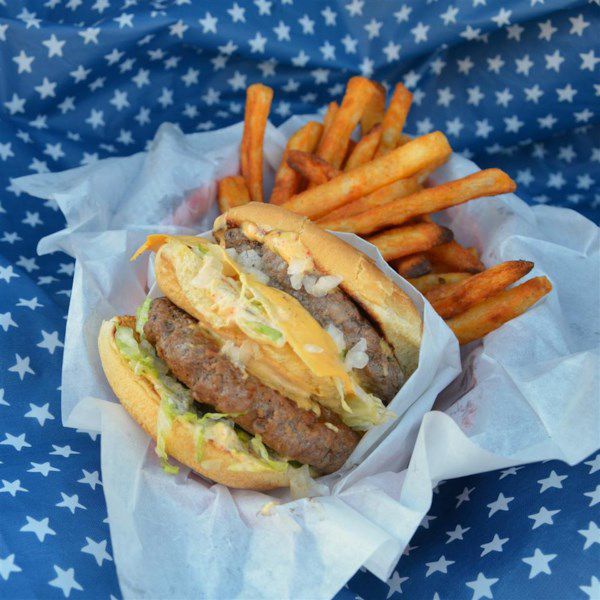
A loosely packed patty, thin middle indentation, and a quick melt of sliced cheese recreate the smoky, juicy bite at home.
Conclusion
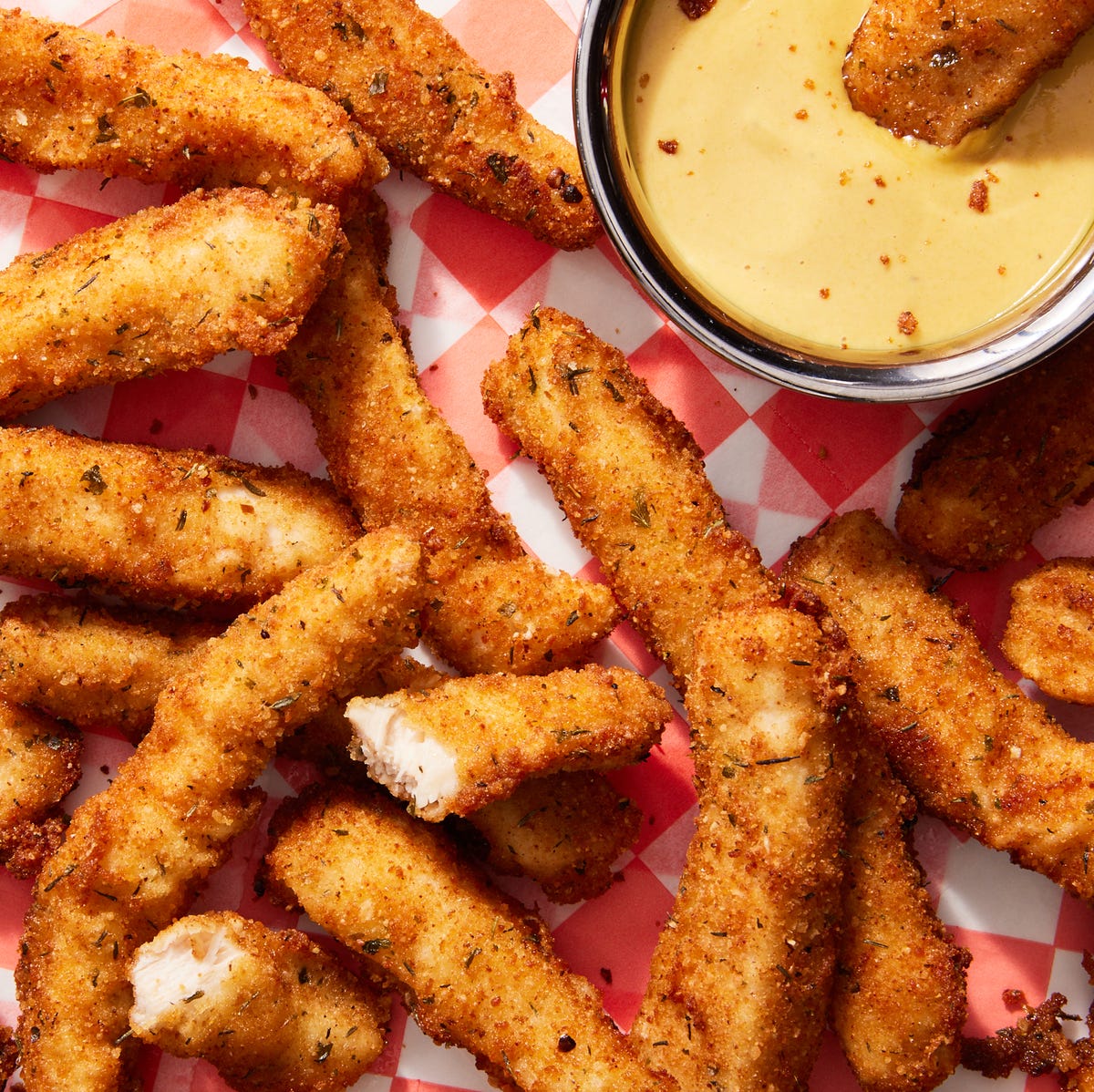
Homemade fast-food cooking has moved from niche experiment to mainstream habit. It saves money, invites creativity, and pressures chains to keep improving. Both cooks and companies will keep adapting as this trend expands.
Recommendations and Future Research
Areas worth exploring include:
– Long-term sales trends for traditional outlets as home cloning grows.
– Motivations behind sharing and rating DIY recipes online.
– Emerging gadgets or apps that help match restaurant textures more precisely.
In short, kitchen copycats are reshaping how people enjoy quick comfort food, presenting fresh challenges and opportunities for everyone at the table.


