


How Many Points is Steak on Weight Watchers: A Comprehensive Guide
Introduction
Weight Watchers, a widely followed weight-management program, has guided people toward healthier eating for decades. Central to its approach is a point-based system that assigns every food a value reflecting its overall nutritional profile. For anyone who enjoys beef, knowing how those values apply to steak can make meal planning easier and more enjoyable. This guide walks you through the key factors that influence the point total of steak—cut, cooking style, and serving size—so you can keep your meals both balanced and satisfying.
Understanding the Points-Based System
Before looking at steak specifically, it helps to grasp how the current Weight Watchers formula works. Foods receive higher point totals when they deliver more calories and sugar, and lower totals when they supply lean protein or fiber. The goal is to nudge members toward nutrient-dense choices while still allowing flexibility for favorite foods.
The general calculation considers calories, protein, fiber, and sugar. While the exact algorithm used in the app is proprietary, the basic idea is that lean protein and fiber pull the number down, whereas calories and added sugars push it up.
Determining the Points Value of Steak
Several variables affect the final number you see in the app:
1. Cut of Steak
Leaner cuts naturally cost fewer points because they contain less fat and fewer calories. Below are common options, each based on a cooked 3-ounce portion:
1.1. Tenderloin (Filet Mignon)
Extremely lean, a typical 3-ounce serving provides roughly 125 calories and 20 grams of protein, landing at about 3 points.
1.2. Sirloin
A middle-ground cut, sirloin offers around 180 calories and 25 grams of protein for the same portion, translating to roughly 4 points.
1.3. Rib-Eye
Richer and more marbled, rib-eye clocks in near 200 calories and 25 grams of protein, giving it approximately 5 points.
2. Cooking Method
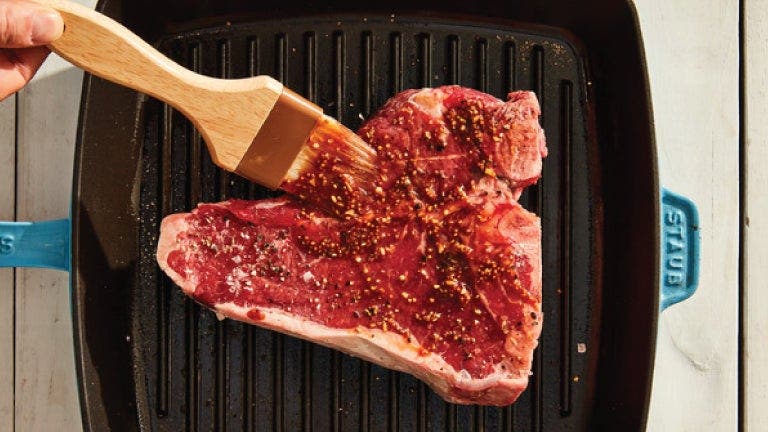
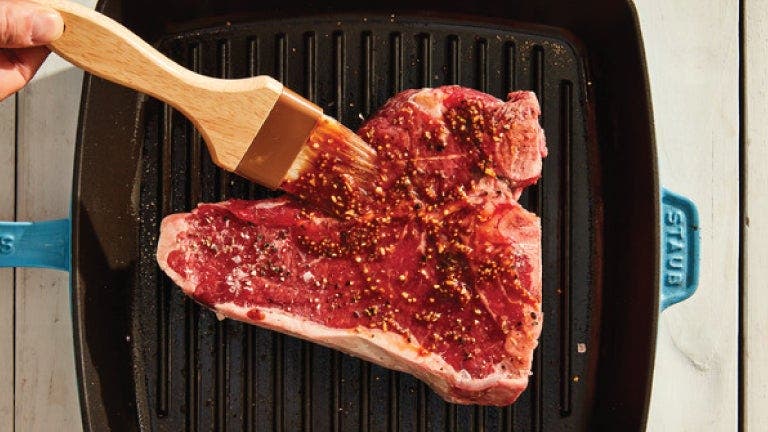
Grilling, broiling, or air-frying allows excess fat to drip away, keeping the point count close to the raw calculation. Pan-searing in oil or butter, on the other hand, can add extra points depending on how much fat is absorbed.
3. Portion Size
Weight Watchers encourages weighing food after cooking. Doubling the portion doubles the points, so accurate measurement is the simplest way to stay on track.
Tips for Enjoying Steak on Plan
2.1. Choose Lean Cuts and Weigh Your Serving
Stick with tenderloin or sirloin and keep portions to three or four ounces to preserve weekly points.
2.2. Favor Low-Fat Cooking Techniques
Grill, broil, or roast on a rack so fat drains away. If you pan-sear, use a high-heat non-stick skillet and a quick spray of oil rather than a full tablespoon.
2.3. Load Up on Vegetables
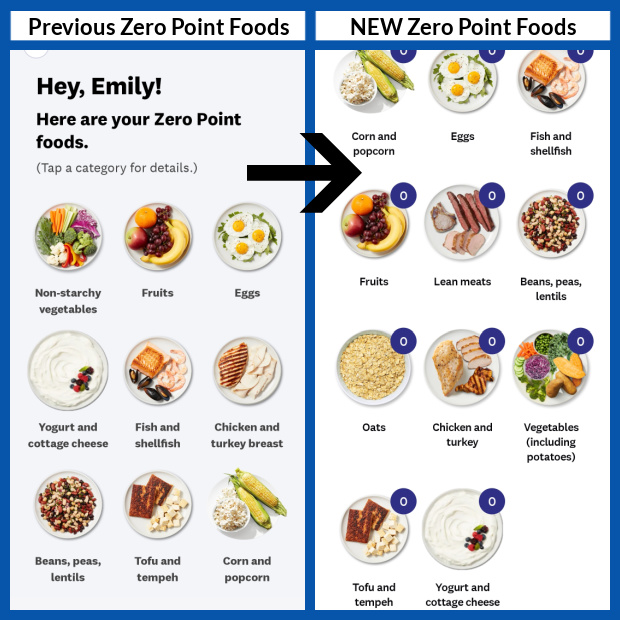
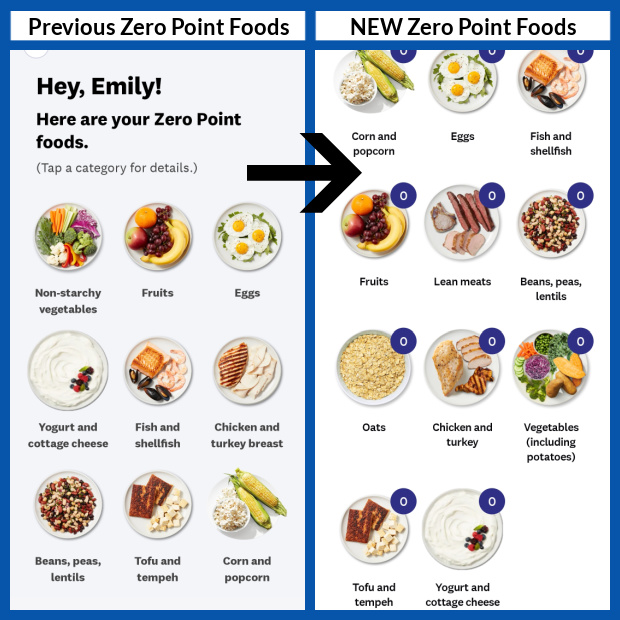
Pair steak with zero-point vegetables—think grilled asparagus, roasted mushrooms, or a crisp salad—to boost volume and nutrients without touching your budget.
2.4. Boost Flavor Without Points
Rub steaks with fresh herbs, citrus zest, garlic, or smoky spices. Marinades based on vinegar, citrus juice, or low-sodium broth add depth for minimal or zero additional points.
Conclusion
Steak can absolutely fit into a Weight Watchers lifestyle when you pay attention to cut, cooking style, and portion. By leaning on lighter cuts, weighing servings, and teaming beef with plenty of vegetables, you can savor the flavor while staying within your daily and weekly point targets.
Future Research and Recommendations

More studies could examine how various preparation techniques alter the final nutrition numbers of beef, helping programs refine point values. Long-term surveys on satisfaction and adherence among members who regularly include moderate portions of lean red meat might also shed light on sustainable weight-maintenance patterns.
In short, steak remains a delicious option on plan. Select lean cuts, watch the portion, and choose cooking methods that keep added fat low, and you’ll hit your goals without giving up the foods you love.


