


Home Meal Planner: A Practical Guide to Balanced Everyday Eating
Introduction
Making wholesome choices is easier when the fridge already holds the answer. A simple home meal planner keeps variety on the table without last-minute stress. This guide walks through the basics of mapping out breakfasts, lunches, and dinners that taste good, cost less, and support everyday wellness.
Why Plan Meals at Home?
Planning ahead steers the week toward balanced plates, cuts grocery bills, and shrinks weeknight cooking time. It also turns leftovers into tomorrow’s lunch and keeps impulse snacks out of the cart.
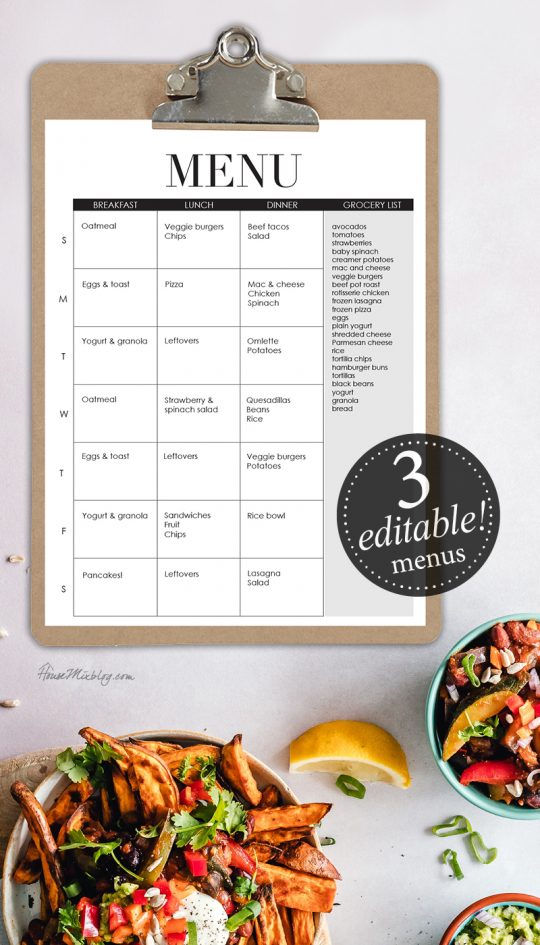
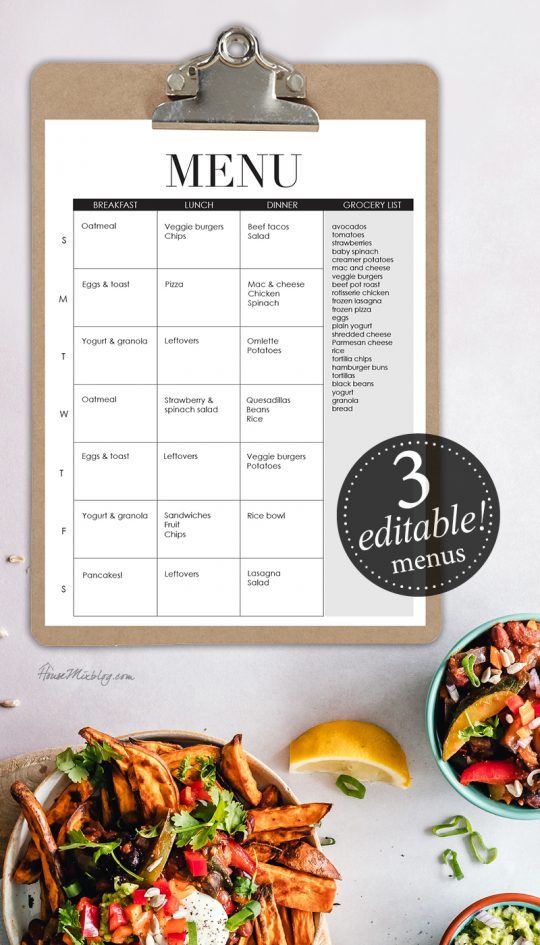
Building Your Weekly Plan
Step 1: Know Your Household
Start with who is eating. Note age ranges, energy levels, and any allergies or preferences so every plate fits the diner, not the other way around.
Step 2: Pick Foods from Every Group
Aim for a rainbow of ingredients each week:
– Grains: brown rice, oats, whole-wheat pasta, quinoa
– Vegetables: dark greens, carrots, peppers, beans
– Fruits: berries, citrus, melon, whatever looks freshest
– Proteins: eggs, fish, poultry, tofu, lentils
– Calcium sources: milk, yogurt, fortified plant drinks

Rotate colors and textures to keep meals interesting.
Step 3: Sketch the Week
Give each day a loose frame:
– Breakfast: pair fiber-rich grains with fruit and a little protein.
– Lunch: combine veggies, lean protein, and a whole-grain side.

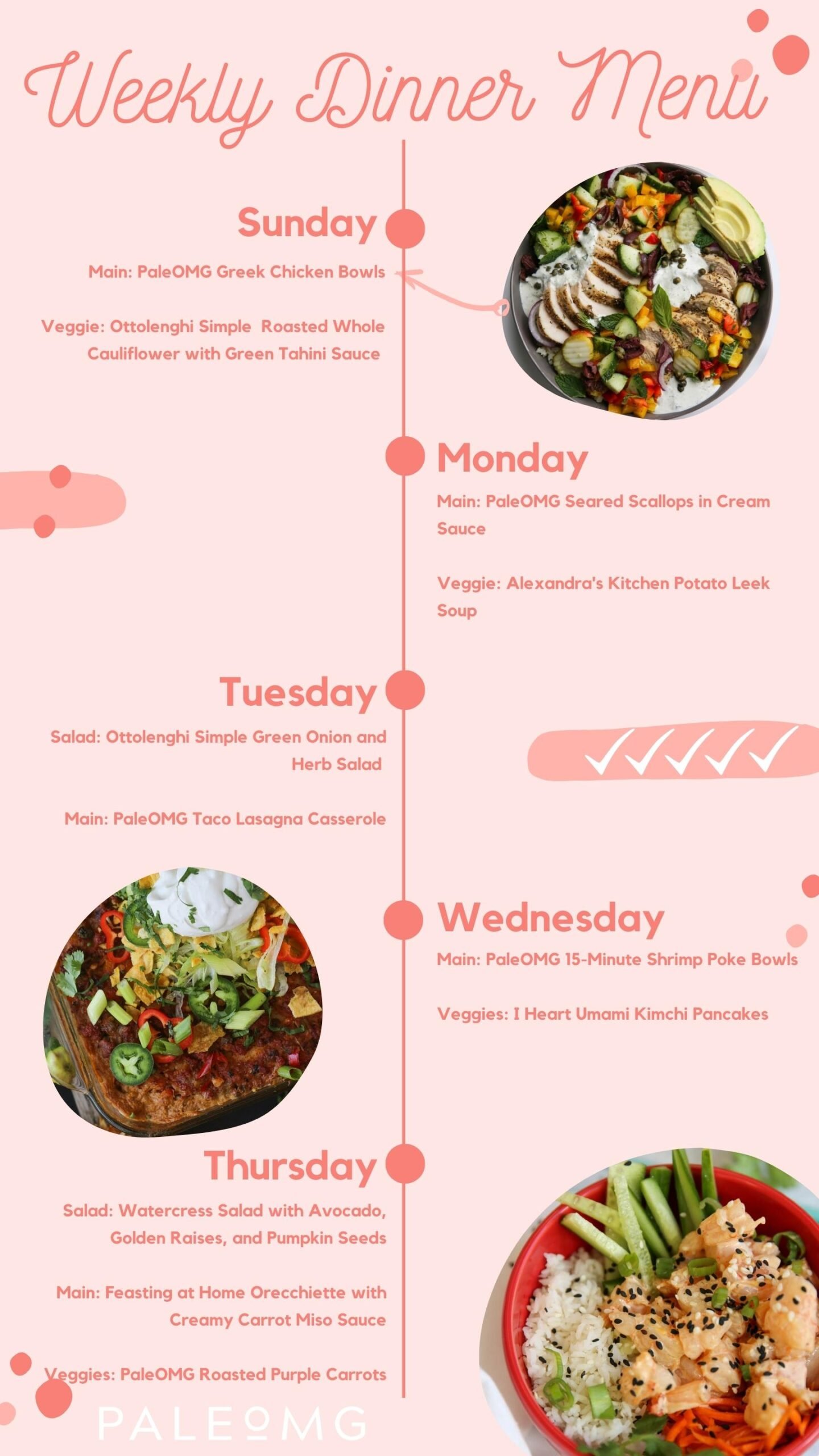
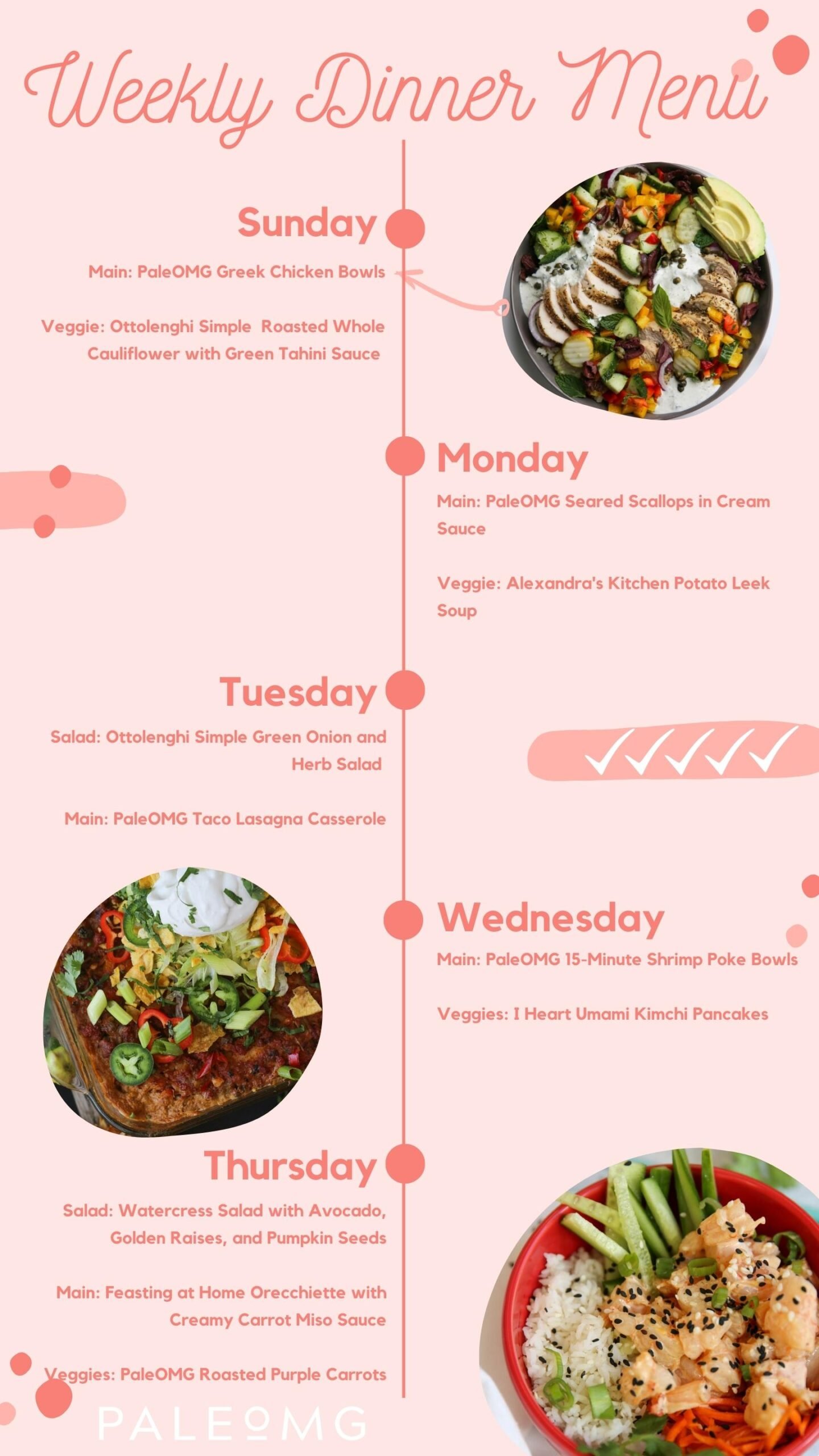
– Dinner: center the plate on vegetables, add modest protein and a scoop of grains or legumes.
– Snacks: think fruit, nuts, or yogurt to bridge hunger gaps.
Smart Shopping Tips
Buy What’s Fresh
Seasonal produce costs less and tastes better. Build meals around whatever is on sale and looks vibrant.
Check the Label
Compare items for fiber, added sugar, and salt. Shorter ingredient lists usually signal less processing.
Store for Staying Power
Keep leafy greens in damp paper towels, freeze extra bread, and batch-cook grains so weeknight assembly takes minutes, not hours.
Special Needs
Allergies and Intolerances
Swap ingredients freely—oat milk for dairy, tamari for soy sauce, or chickpea pasta for wheat—to keep everyone safe and satisfied.
Lifestyle Diets
Vegetarian, vegan, or gluten-free menus can still cover every nutrient with a little creativity: lentils for iron, seeds for healthy fats, and fortified plant milks for calcium.
Conclusion

A flexible weekly plan turns the kitchen into the healthiest, cheapest, and tastiest restaurant in town. Shop seasonal, cook once and eat twice, and let every color on the plate count. Small habits, repeated weekly, add up to lasting energy and happier mealtimes.


