
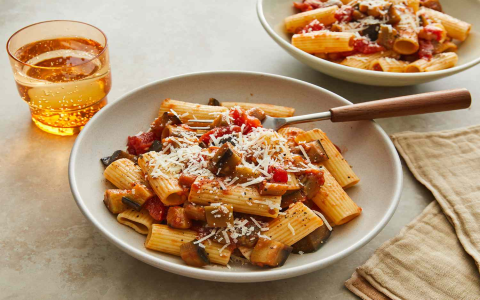

Best Homemade Dishes: The Heart of Culinary Tradition
Introduction
Every kitchen tells a story, and the meals prepared within its walls carry the quiet signature of generations. Homemade dishes are more than sustenance; they are edible memoirs, seasoned by memory and shared in the gentle rhythm of everyday life. This article celebrates their enduring appeal, the subtle ways they shape communities, and the reasons they remain treasured across continents.
The Significance of Homemade Dishes
Cultural Heritage

A recipe passed from grandparent to grandchild is a living archive: it holds dialects of spice, measures of patience, and the slow wisdom of timing. Whether it is a slow-simmered stew or a fragile pastry, each bite revives ancestral landscapes and keeps intangible culture alive.
Personal Stories
The scent of bread cooling on a countertop can summon an entire childhood in an instant. These dishes anchor birthdays, rainy afternoons, and first attempts at measuring flour; they are the quiet co-authors of family lore.
Love and Care
Chopping, stirring, and waiting are gentle acts of attention. When hands shape dough or fold herbs into rice, they translate affection into something that can be tasted, shared, and remembered long after the plates are cleared.

The Impact of Homemade Dishes on Society
Health Benefits
Home cooking invites balance: a lighter hand with salt, a generous portion of vegetables, and the freedom to choose oils and grains that suit body and mood. Over time, these small choices weave into habits that support steady energy and lasting wellness.
Economic Impact
A pot of soup stretched across several meals stretches the budget too. By favoring seasonal produce and pantry staples, households reduce waste, support nearby growers, and keep food culture rooted in place rather than freight.
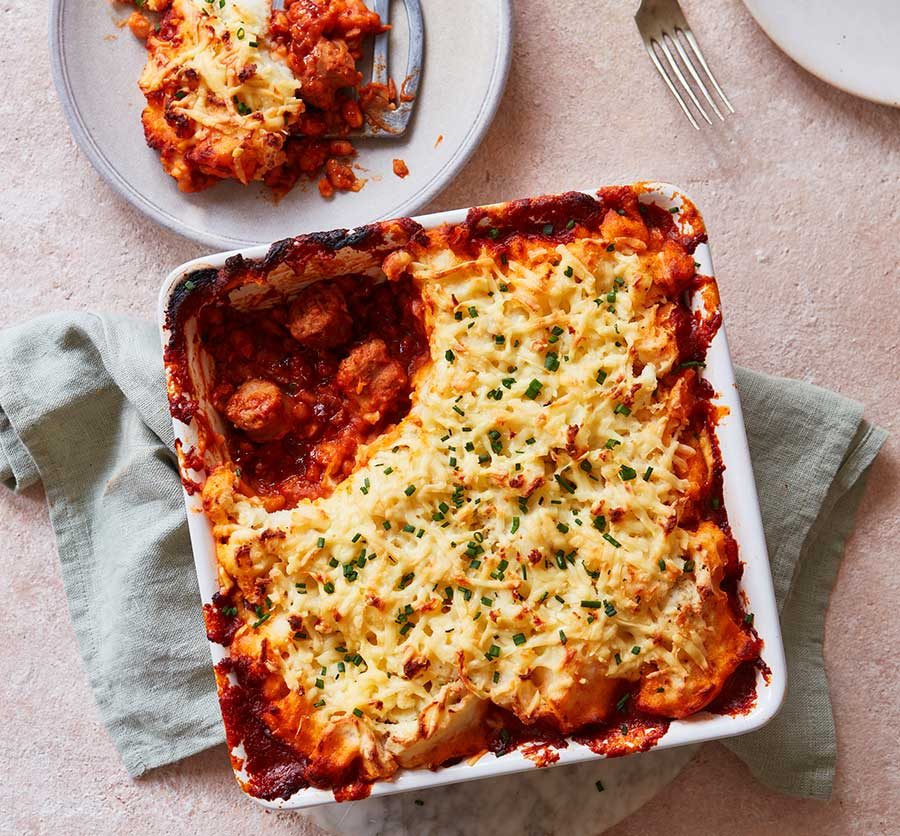
Social Impact
The simple question “Who wants to help stir?” turns solitary effort into shared ritual. Around a common table, neighbors become friends and children learn the grammar of generosity, one passed plate at a time.
The Best Homemade Dishes
Italian Lasagna
Layer after layer, lasagna assembles patience: sheets of pasta relaxed in hot water, sauce reduced until it remembers every tomato, cheese melted into quiet cohesion. The result is a mosaic of comfort that tastes like Sunday afternoon stretched into evening.
Indian Biryani
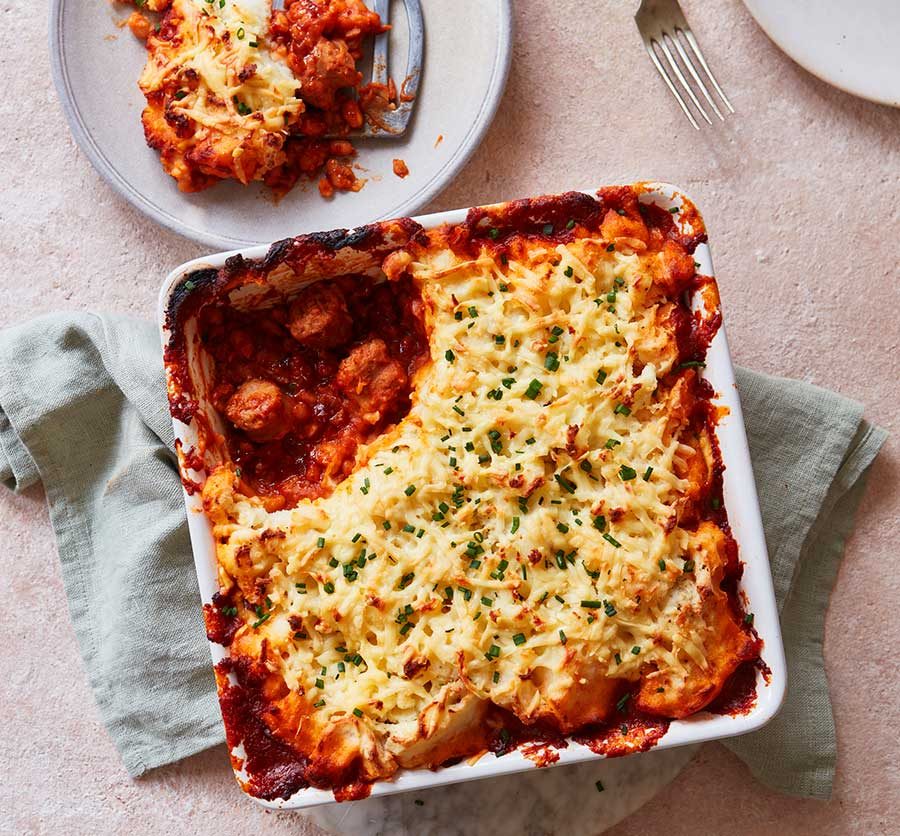
Fragrant rice mingles with saffron breath and slow-married spices; each grain remains distinct yet cooperative. Finished with a final veil of caramelized onion, biryani turns a meal into a small ceremony.
Mexican Tacos
A warm tortilla is an open invitation: a spoonful of beans, a bright salsa, perhaps a crumble of cheese. Assembled at the table, tacos invite improvisation and conversation, proving that simplicity and abundance can coexist.
American Apple Pie

When apples soften beneath a lattice crust, they release the memory of orchard air and autumn light. A slice cooled just enough offers contrast—tender fruit, flaky pastry, and the quiet sweetness of cinnamon—that feels like settling into a well-worn chair.
Conclusion
Homemade dishes endure because they speak a universal language: the dialect of nurture, the accent of memory, the grammar of shared time. By cooking and eating together, we rehearse kindness, preserve subtle histories, and remind ourselves that the smallest kitchen can be a vast meeting ground.
Recommendations and Future Research
To keep this conversation alive, communities can:

1. weave basic cooking lessons into school days, letting young hands discover flour, heat, and patience.
2. champion neighborhood markets where growers and shoppers greet one another by name.
3. host recipe swaps—online or on front porches—so stories travel as freely as ingredients.
Scholars, too, might explore:
1. how the rhythm of chopping or kneading calms the mind and stitches families closer.

2. digital archives that safeguard grandmother’s measurements before they fade.
3. the gentle push and pull between global curiosity and local loyalty on tomorrow’s dinner plates.
If we continue to stir, taste, and pass the spoon, these quiet traditions will remain vibrant, nourishing both body and spirit for generations still to come.


