
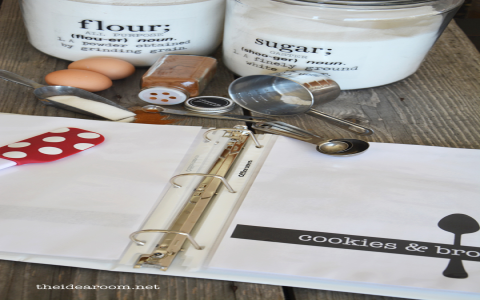

Homemade Recipe Book Ideas: A Comprehensive Guide to Creating Your Own Culinary Collection
Introduction
Cooking is a universal language that brings people together across time and place. A personal recipe collection is one of the most satisfying ways to celebrate this shared passion. This guide walks you through every step of assembling a homemade recipe book, from first idea to final page, so your kitchen creativity can live on in an organized, inspiring format.
The Importance of Homemade Recipe Books
A self-made recipe book is more than a notebook—it becomes a living archive of flavors you love. The rewards include:
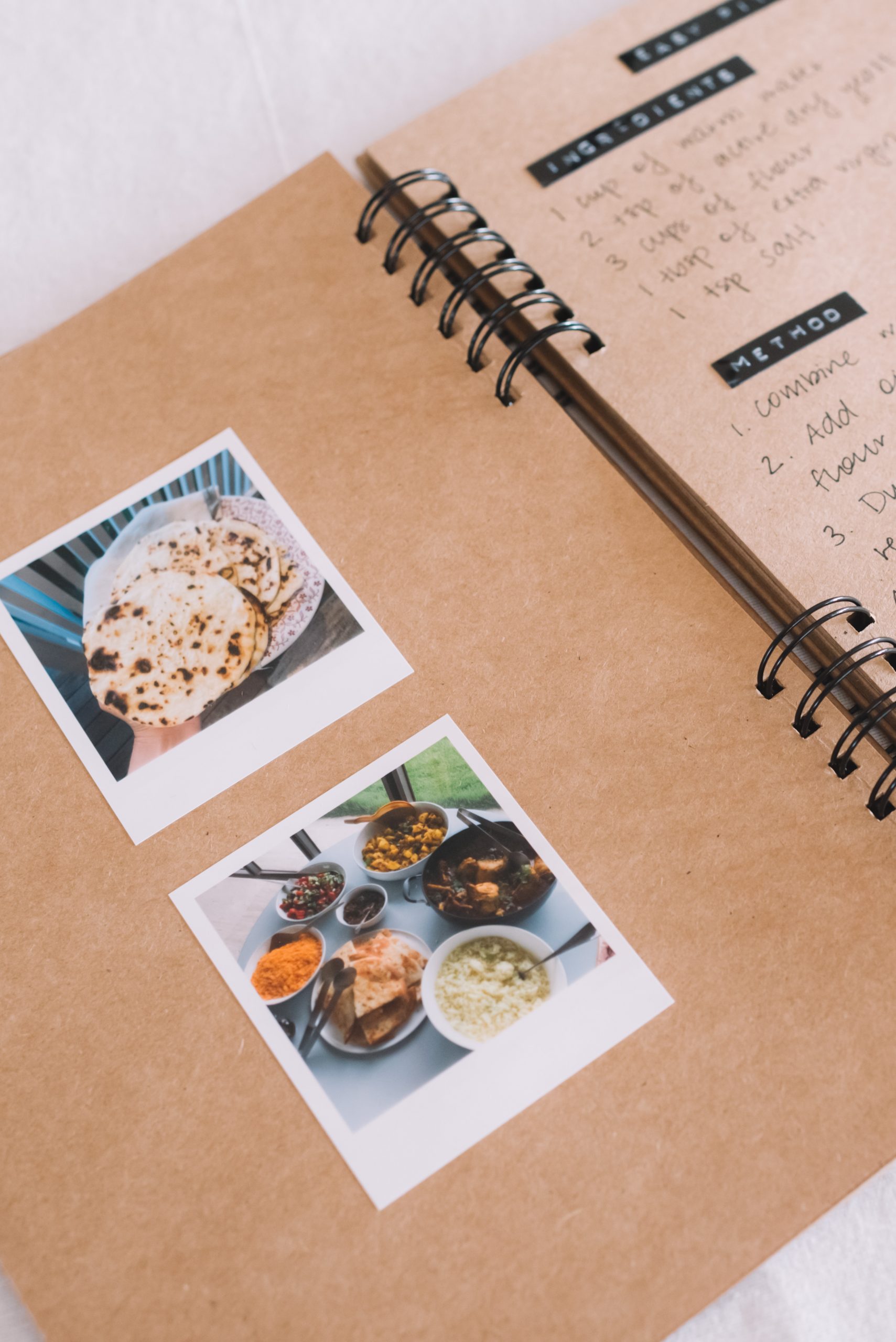
Preserving Culinary Heritage
Hand-written or digitally compiled recipes safeguard family favorites and regional classics, keeping them alive for children, friends, and future cooks who step into your kitchen.
Encouraging Creativity
When you know your experiments will be recorded, you taste more thoughtfully, tweak boldly, and turn ordinary meals into signature dishes worth remembering.
Enhancing Cooking Skills
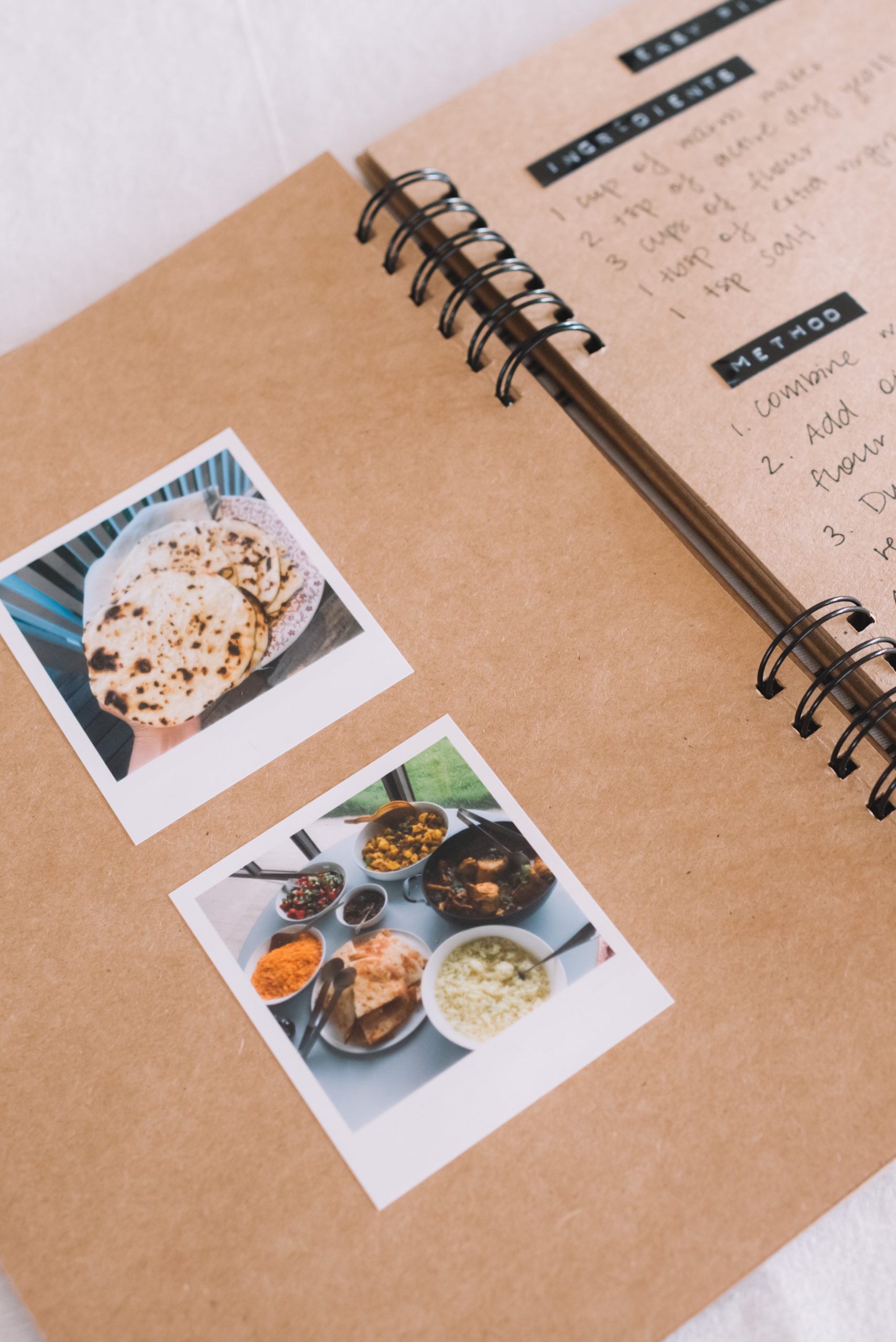
Reviewing past notes reveals patterns of success and helpful corrections, turning each cooking session into a relaxed lesson that sharpens technique almost effortlessly.
Choosing the Right Format
Select a style that fits the way you cook and share food. Consider these popular options:
Digital Recipe Book
Keep recipes in a cloud-based document or note-taking app. Tags, search bars, and embedded photos make it simple to locate a soup from last winter or a cake you baked for a celebration.
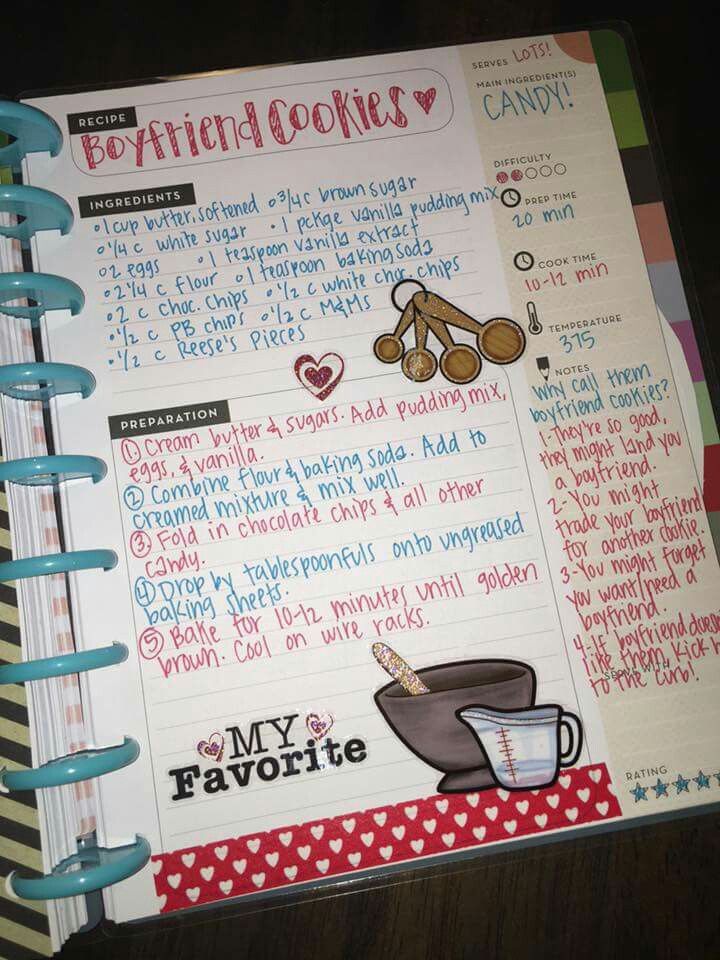
Print Recipe Book
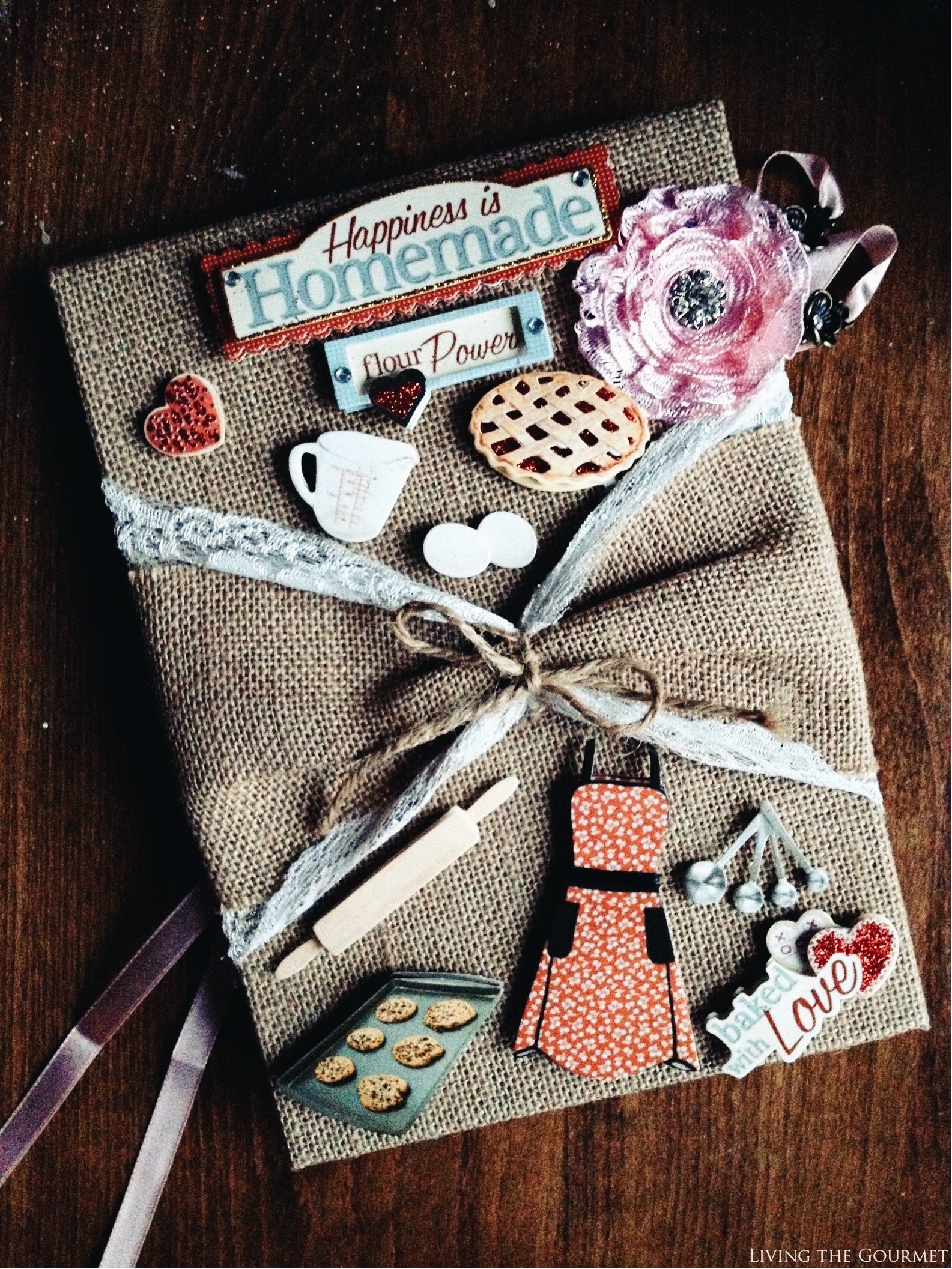
A physical binder, spiral notebook, or bound volume feels friendly beside the stove. Add handwritten margin notes, spill stains, and souvenir postcards for a chronicle you can hand to anyone, no screen required.
Mixed Format
Combine the two: maintain a digital master copy for safekeeping, then print seasonal selections as small booklets to gift or store in the kitchen drawer.
Gathering Recipe Ideas
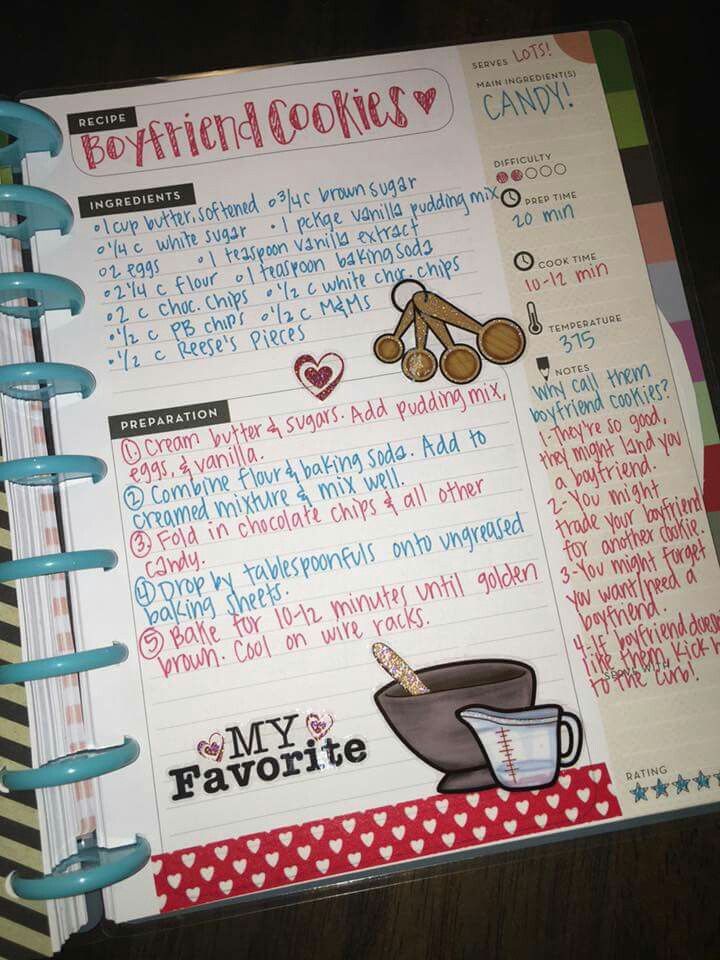
Fill your book with dishes that tell a story. Draw from these sources:
Family and Friends
Ask relatives for the comfort foods they remember and friends for the crowd-pleasers they serve at gatherings. Jot down the little tricks they mention—those casual tips often make the difference.
Online Resources
Browse reputable cooking sites, video channels, and food forums. Save adaptations that suit your pantry and mark changes you make along the way.
Cookbooks and Magazines
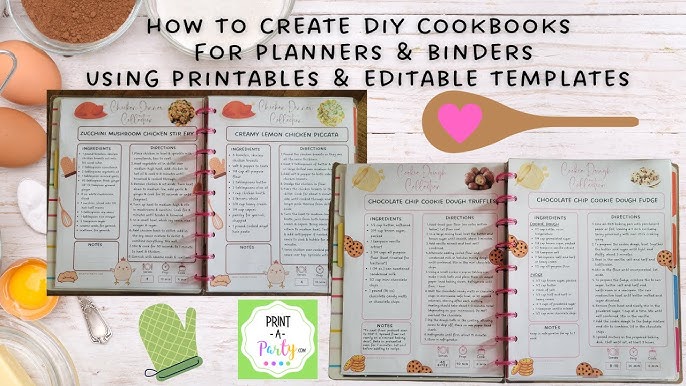
Flip through printed collections at a library or bookstore. Photocopy or transcribe the recipes you actually cook, not just the ones that look good in photos, to keep your book practical.
Personal Experiences
Record dishes born from vacation memories, farmers-market finds, or late-night cravings. These originals give your collection its unique voice.
Organizing Your Recipe Book
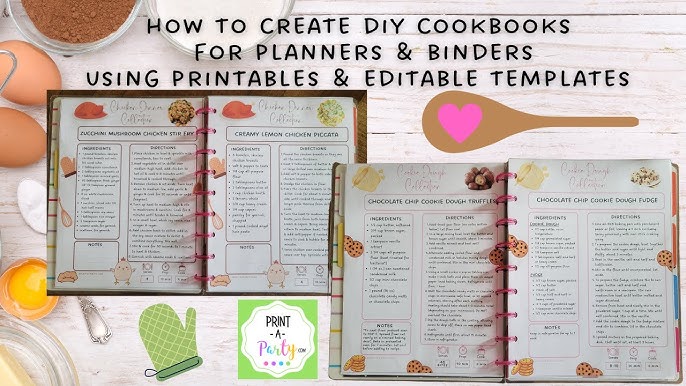
Structure turns a pile of recipes into a trusted kitchen companion. Follow these pointers:
Categorization
Group recipes by course, main ingredient, or cooking method—whichever helps you answer “What should I make?” fastest on a busy evening.
Clear and Concise Instructions
List ingredients in order of use, keep steps short, and note timing cues such as “sauté until translucent, about 3 minutes.” Clarity prevents guesswork.
Photos and Illustrations
Add a quick smartphone shot of the finished dish or sketch the plating layout. Visual cues spark memory and motivate you to recreate the meal.
Index and Table of Contents
Reserve the first and last pages for easy navigation. Update them whenever you slip a new recipe into its sleeve or folder.
Conclusion
Building a homemade recipe book is a gentle, ongoing project that honors the past, sharpens the present, and feeds the future. Choose your format, gather the dishes that matter to you, and organize them with care. Over time your collection will grow into a trusted friend that greets you with inspiration every time you open the kitchen cabinet. Happy cooking—and happy recording!


