


The Importance of Homemade Food in Modern Society
Introduction
In today’s hurried world, ready-made meals and take-out counters tempt us with speed and ease. Yet more people are rediscovering the simple act of cooking at home. This shift promises better health, lighter budgets, and stronger ties to tradition and one another. The following paragraphs explore why stepping back into the kitchen matters more than ever.
Health Benefits of Homemade Food
When you stir the pot yourself, you decide what goes in. Home cooking usually means less salt, sugar, and saturated fat than the average restaurant plate. Fresh produce, whole grains, and lean proteins keep their natural vitamins and antioxidants because they travel straight from market to stove, not through industrial processors.

Portion control is another quiet advantage. Serving food straight from the stove lets diners listen to real hunger cues instead of feeling pressured to finish an oversized entrée. Over time, these small daily choices add up to steadier energy, healthier weight, and a lower risk of chronic disease.
Economic Advantages of Homemade Food
A bag of seasonal vegetables and a tray of brown rice can cost less than a single delivered dinner. Staples bought in bulk—beans, lentils, oats—stretch into multiple meals for the price of one restaurant bill. Planning menus around what is already on hand also trims grocery waste; wilted greens become soup, day-old bread turns into croutons, and the weekly trash can grows lighter.
Leftovers double the value. Tonight’s roasted chicken reappears tomorrow in tacos, then again in a hearty salad, multiplying flavor while dividing cost. The savings are not merely personal; every home-cooked meal is a vote for a food system that values resourcefulness over excess.
Fostering Community and Cultural Identity

Kitchens are informal classrooms where grandparents, parents, and children trade stories along with recipes. Rolling dumplings or folding empanadas becomes a shared language that needs no subtitles. These moments cultivate patience, curiosity, and pride in heritage, whether the dish is a spicy curry or a humble stew.
Sharing the finished meal extends the circle. A neighbor gifted with a jar of homemade jam feels seen; a newcomer invited to the table feels welcomed. In an era of digital disconnect, the clink of real spoons on real bowls reminds us that nourishment is social as well as nutritional.
The Role of Technology in Promoting Homemade Food
Smartphones now fit entire cookbooks in a pocket. Short videos demystify knife skills, while blogs translate exotic spices into everyday language. Grocery apps deliver fresh produce at the tap of a finger, and programmable pots wait patiently for busy parents to come home. Far from replacing the cook, technology acts as a friendly sous-chef, making scratch-made meals realistic on tight schedules.
Online groups add encouragement. Swapping photos of risen sourdough or glossy ramen eggs creates a virtual potluck that spans continents. Each post is a reminder: if they can cook it, so can I.
Conclusion
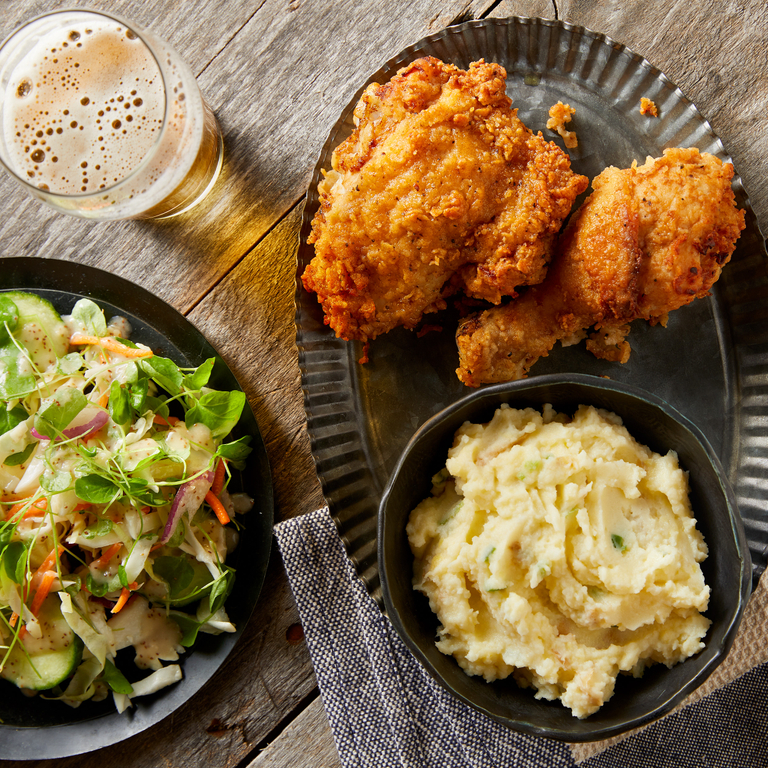
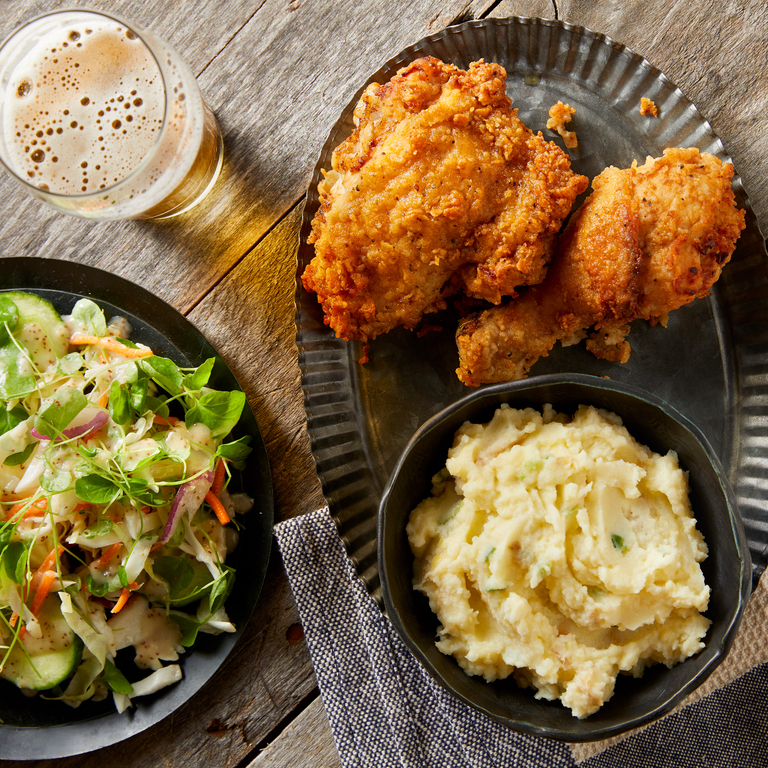
Homemade food is more than an alternative to take-out; it is a quiet daily practice that protects health, conserves money, and knits communities together. As kitchens grow smarter and pantries more global, the act of cooking promises to remain a timeless, universal language of care.
Recommendations and Future Research
To keep the momentum alive, communities can:
1. Offer hands-on classes in schools and offices that turn novices into confident home cooks.
2. Support local markets so fresh ingredients stay affordable and plentiful.
3. Celebrate food traditions through storytelling events that honor every culture at the table.
Researchers, meanwhile, can explore:
1. Long-term health outcomes linked to regular home cooking.
2. Ways technology can deepen engagement without sacrificing the tactile joy of cooking.

3. Strategies that make scratch-made meals accessible to households facing time or budget constraints.
By blending curiosity with communal effort, we can ensure that the gentle sizzle of onions in a home pan continues to soundtrack everyday life for generations to come.


