
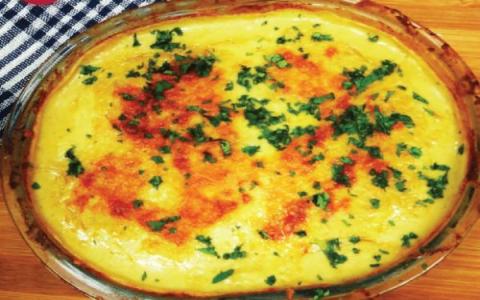

Classic Rich and Silky Potato Gratin (Scalloped Potatoes) Recipe
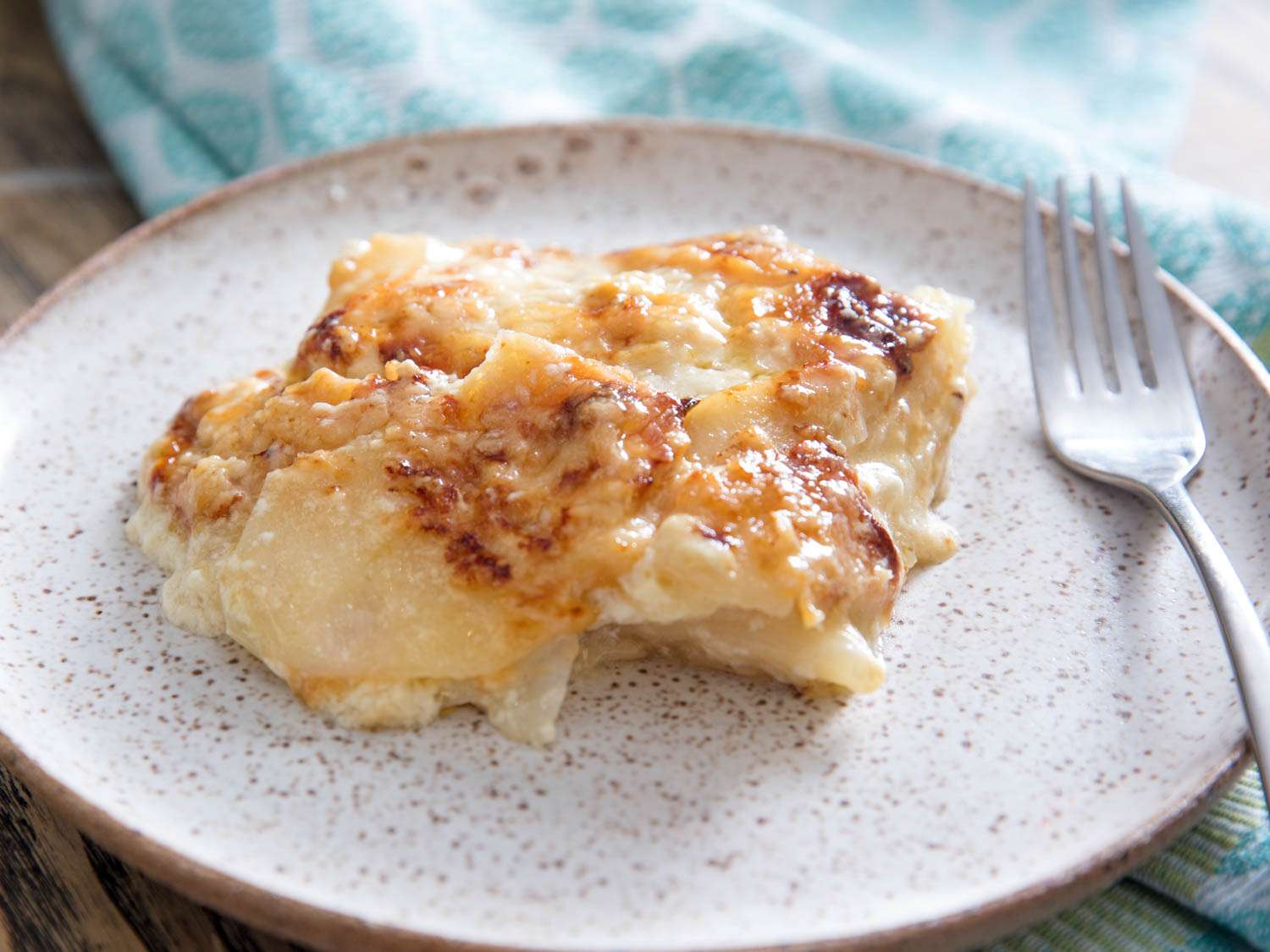
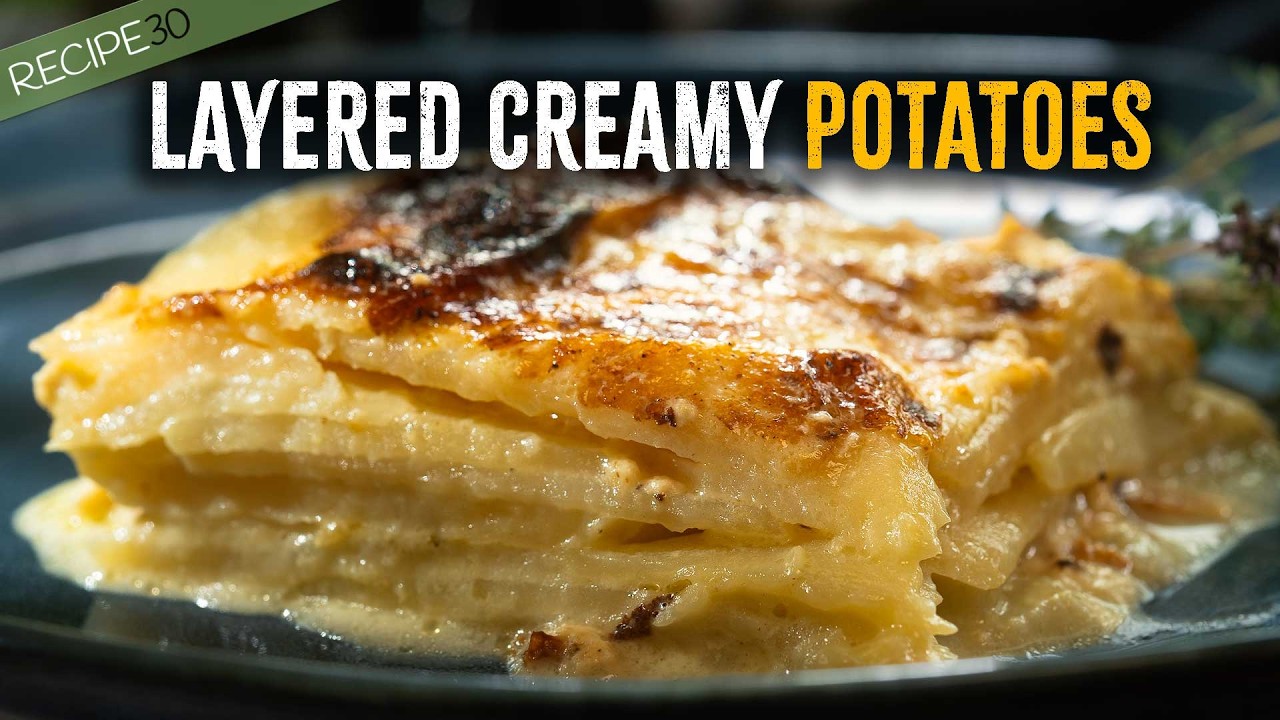
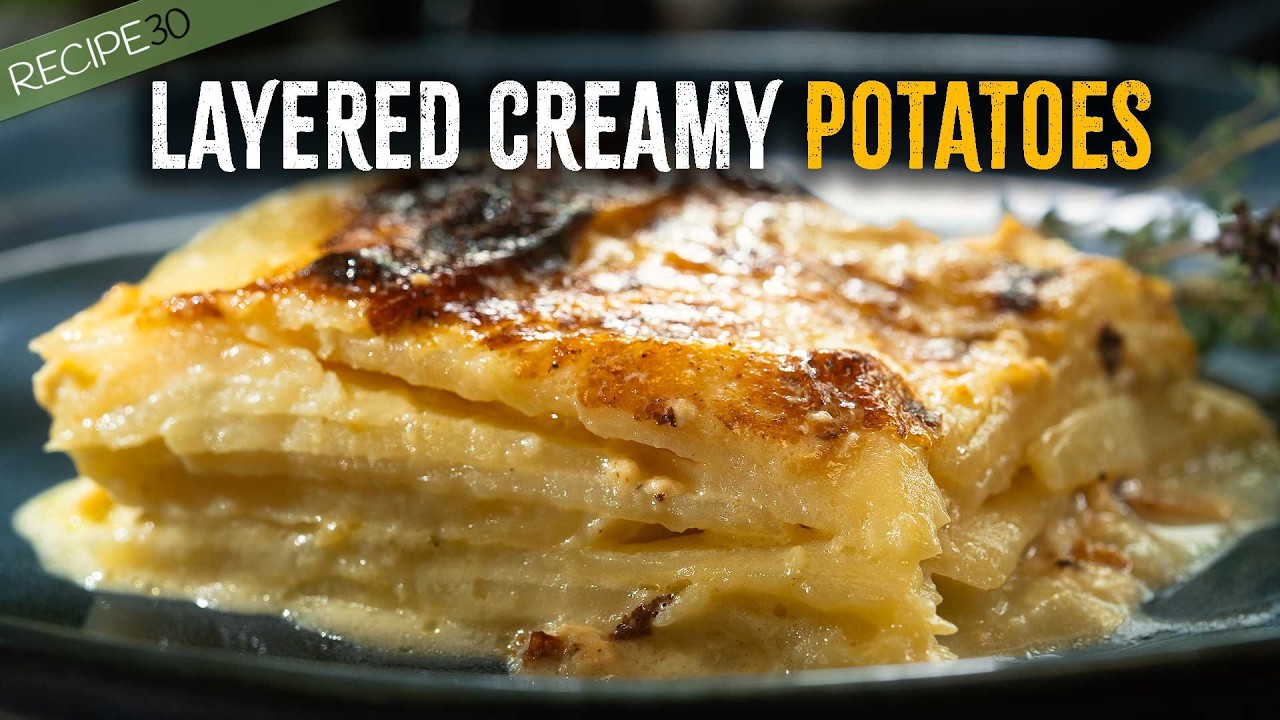
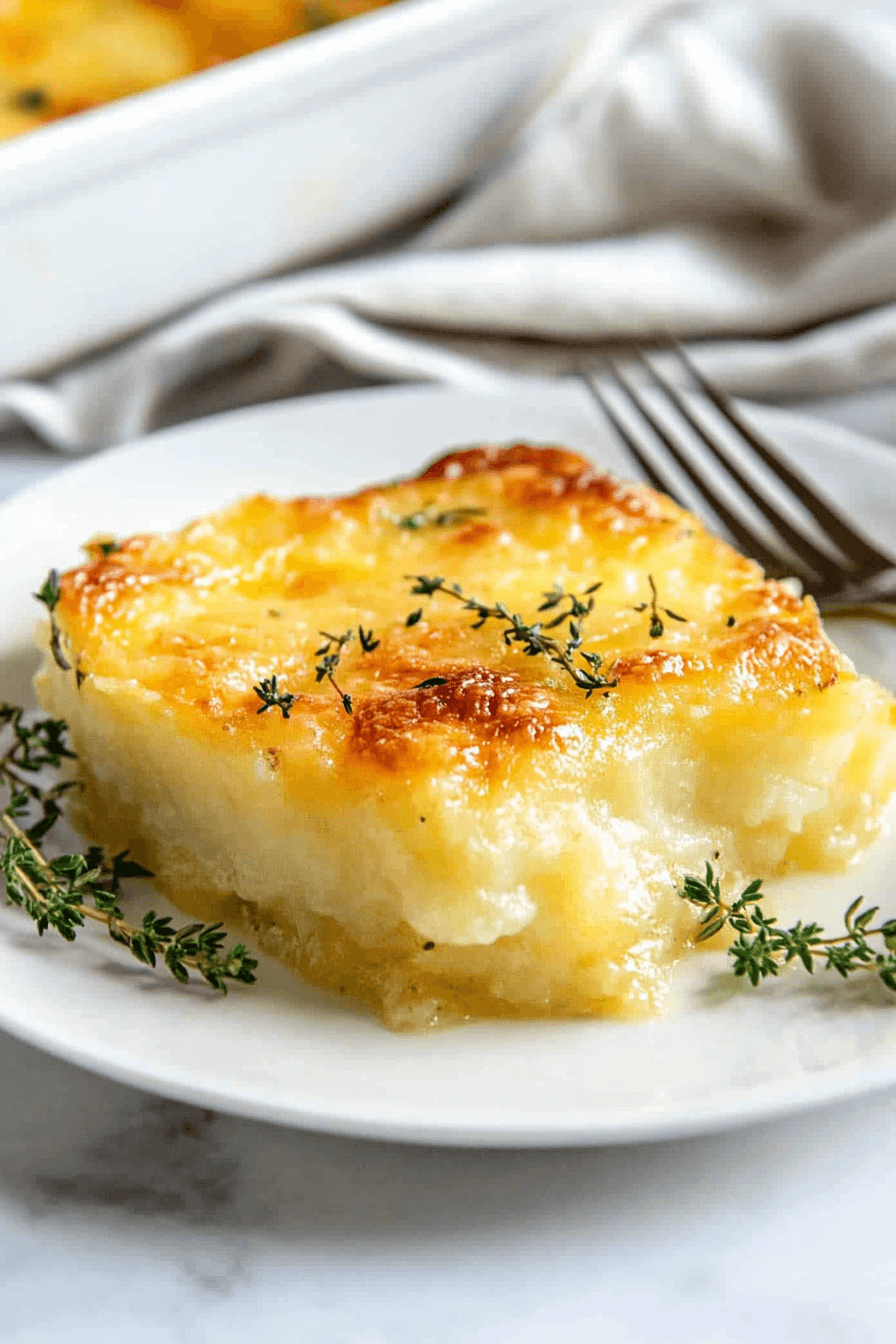
There’s a universal frustration with potato gratins: too often, the crispy, golden top steals the show while the interior feels bland, dry, or forgettable. The best gratins, though, strike a balance—tender potatoes, a silky sauce, and a crust that’s just as satisfying as the center. This recipe solves that imbalance, creating a dish where every layer is worth savoring: creamy, well-seasoned, and crisp all around.
Why This Recipe Works
Infused dairy: Steeping aromatics (garlic, shallots, thyme) in milk and cream adds depth without cluttering the texture. Straining them out keeps the sauce smooth.
Starch retention: Slicing russet potatoes directly into hot dairy prevents oxidation (no brown slices!) and locks in starch, which thickens the sauce as it bakes.
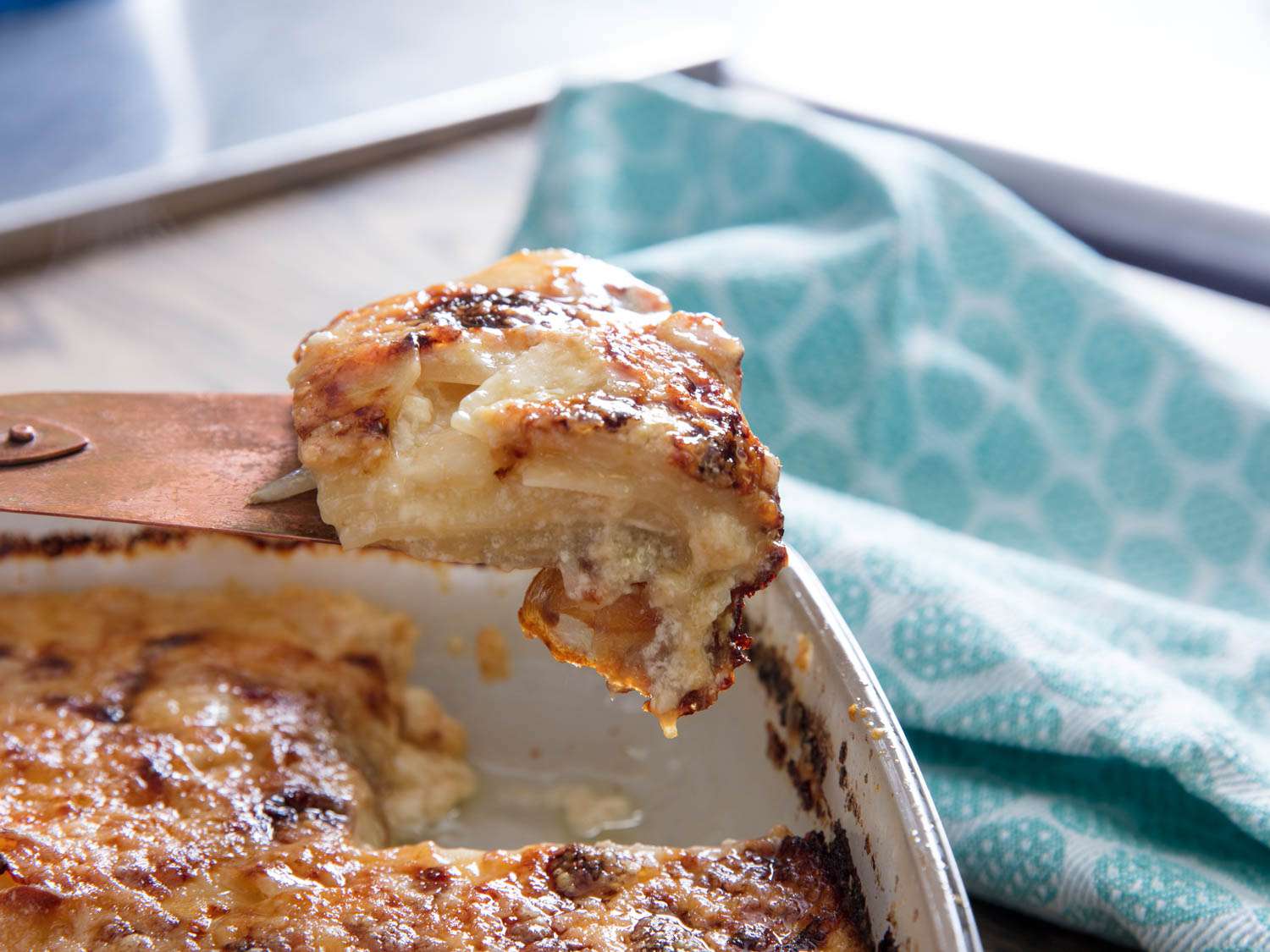
Two-stage baking: Covering the gratin first ensures tender potatoes; uncovering it later creates a golden, chewy crust—no more pale, soggy bottoms.
Milk vs. Cream: The Perfect Balance
The creamy filling of a gratin comes from two processes: potatoes releasing starch (to thicken the liquid) and dairy reducing (to concentrate proteins and fat into silky curds). After testing dozens of ratios, a mix of milk and cream works best—enough fat for rich curds without being overly heavy. Evaporated milk, while high in protein, didn’t improve the texture, so fresh milk is preferred.
Avoid eggs: even a small amount turns the gratin into a brittle, flan-like texture. For cleaner slices, a half yolk can be added, but the soft, supple texture of an egg-free gratin is far more satisfying.
Boosting Flavor with Aromatics
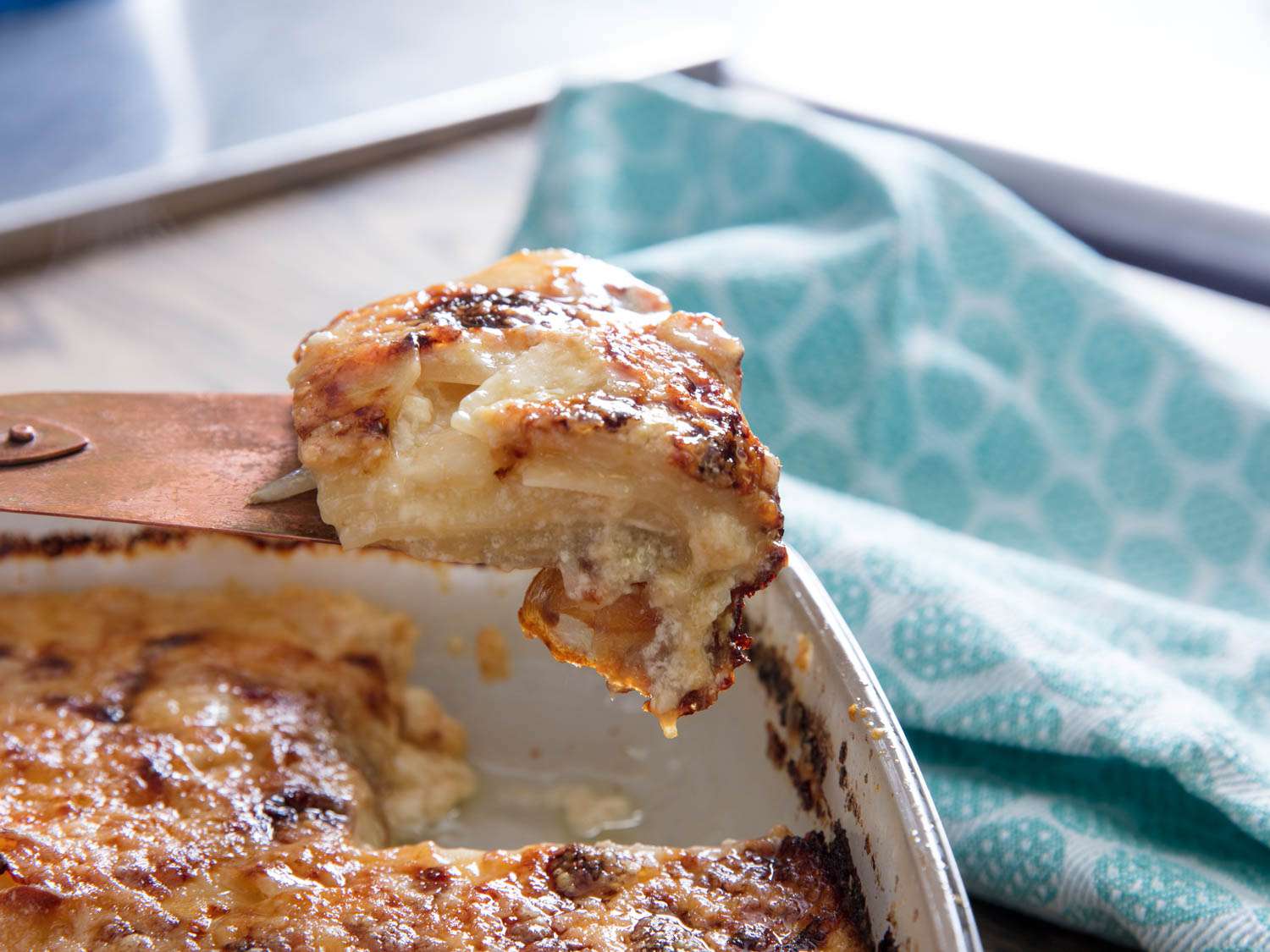
A plain dairy base can leave gratins tasting flat. To fix this, steep garlic, shallots, black peppercorns, and thyme in the milk and cream for an hour. This infuses layers of pungency, warmth, and freshness without disrupting the smoothness.
Season the dairy with freshly grated nutmeg (a subtle, sweet spice that elevates potatoes) and a generous pinch of salt. Salting the dairy instead of sprinkling it between layers ensures every slice is evenly seasoned—just use more salt than you think (the potatoes will absorb it as they bake).
Choosing the Right Potato
Russet potatoes are non-negotiable here. Their high starch content and low moisture make them ideal for absorbing the flavorful dairy, turning tender and plump as they cook. The starch also thickens the sauce, creating that signature creamy texture.
The only downside? Russets oxidize quickly when sliced. Instead of soaking them in water (which washes away starch), slice them directly into the hot, infused milk. This prevents browning and keeps all the starch where it belongs—in the sauce.
The Role of Cheese
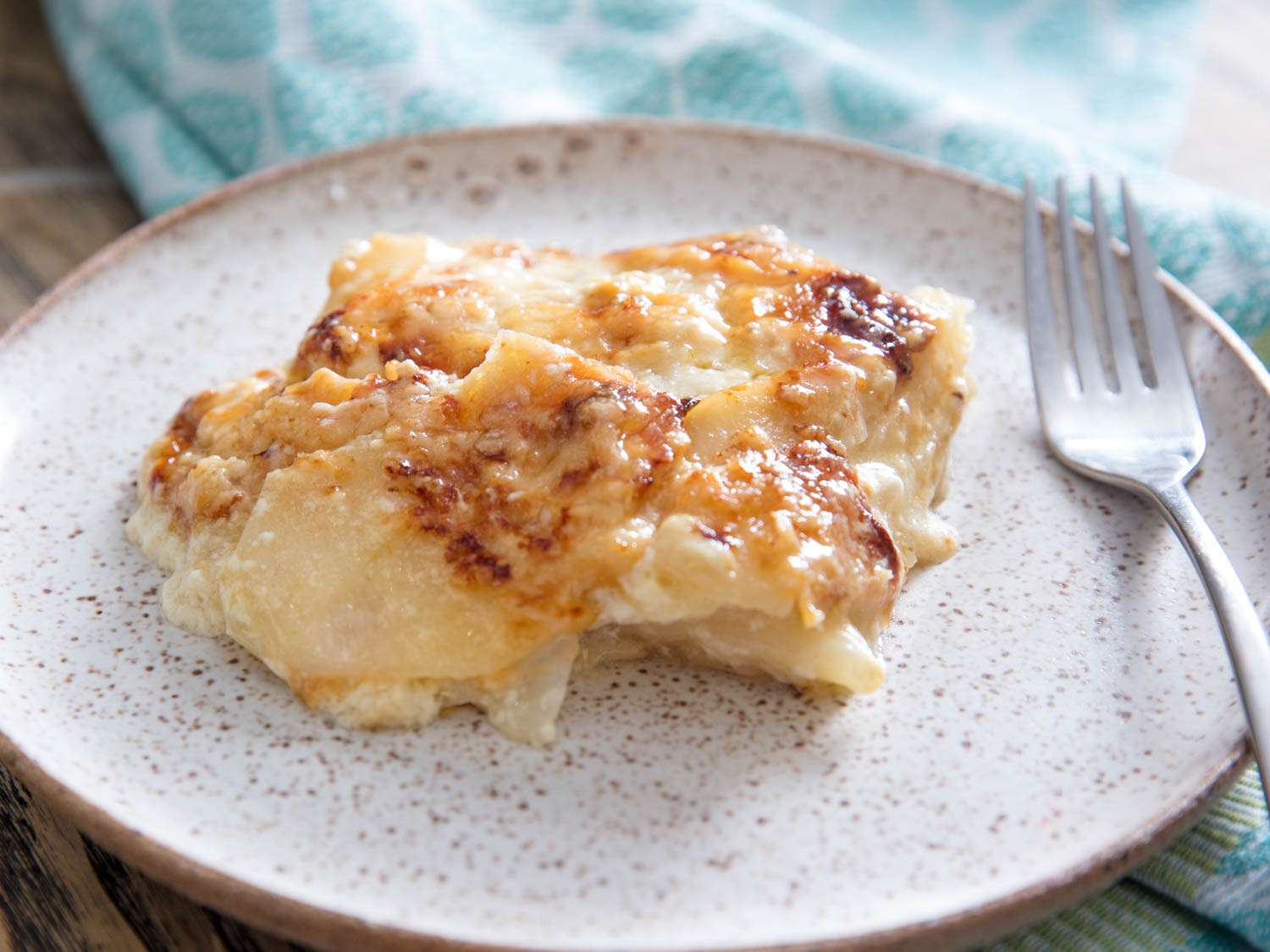
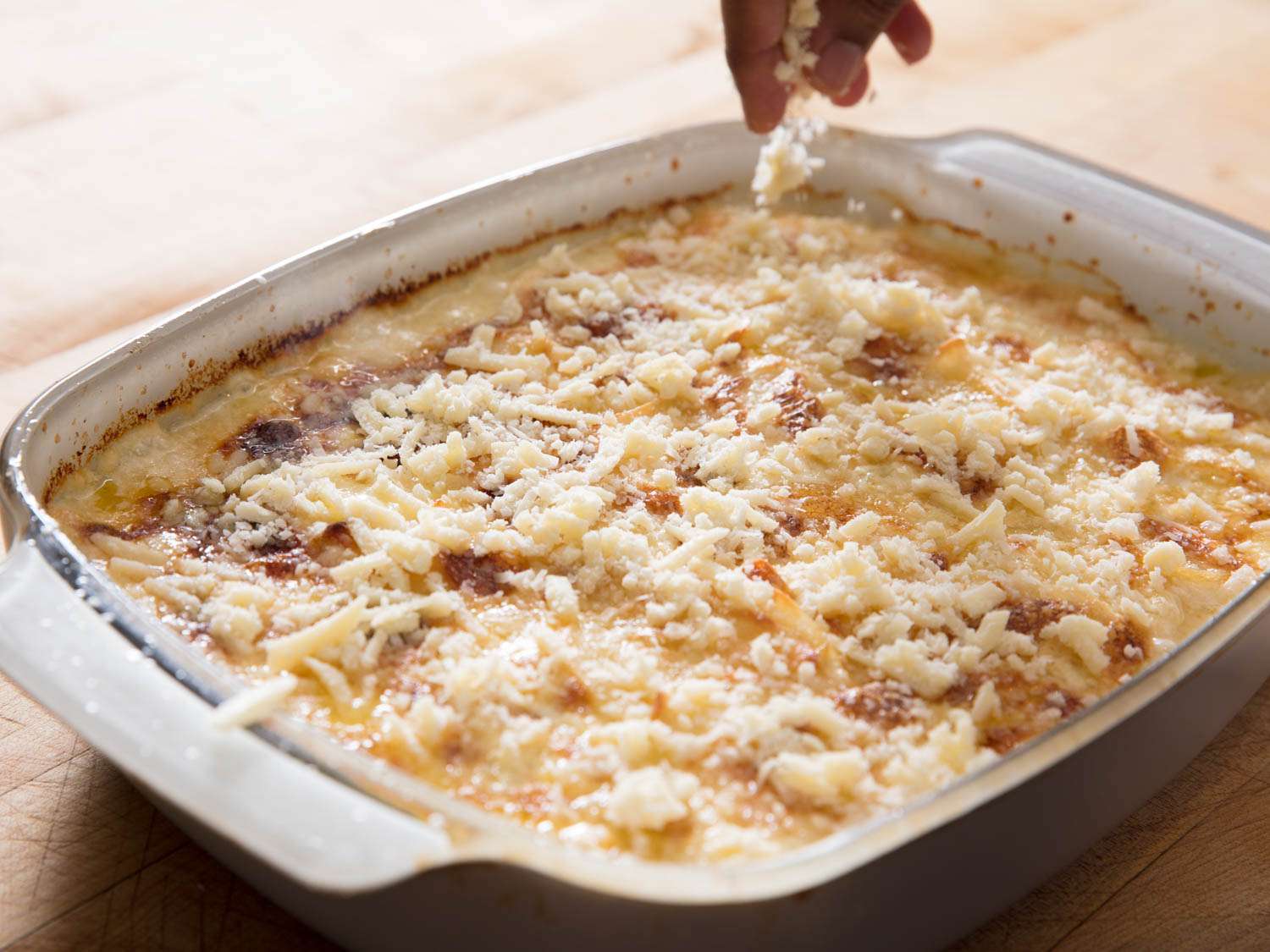
Cheese is optional in traditional gratins, but a small amount adds brightness and crunch. A blend of Parmesan (salty, tangy) and Gruyere (nutty, melty) works best. Too much cheese will make the dish greasy, but a light sprinkling between layers creates a savory, crispy crust on the bottom and sides. Leave the top layer cheese-free for the initial bake—adding it later ensures a golden, chewy finish.
How to Make Classic Potato Gratin
Step 1: Infuse the Dairy
Combine 2 cups heavy cream, 1 cup whole milk, 2 smashed garlic cloves, 2 quartered shallots, 1/8 teaspoon nutmeg, 6 thyme sprigs, and 2 teaspoons black peppercorns in a saucepan. Bring to a boil, then remove from heat, cover, and let steep for 1 hour. Reheat the mixture, strain it into a bowl, and set aside.
Step 2: Prep the Potatoes
Peel 3 medium russet potatoes and slice them thinly (1/16-inch) using a mandoline. Drop the slices directly into the hot, infused milk—this prevents browning and keeps starch in the sauce. Stir to coat.
Step 3: Layer the Dish
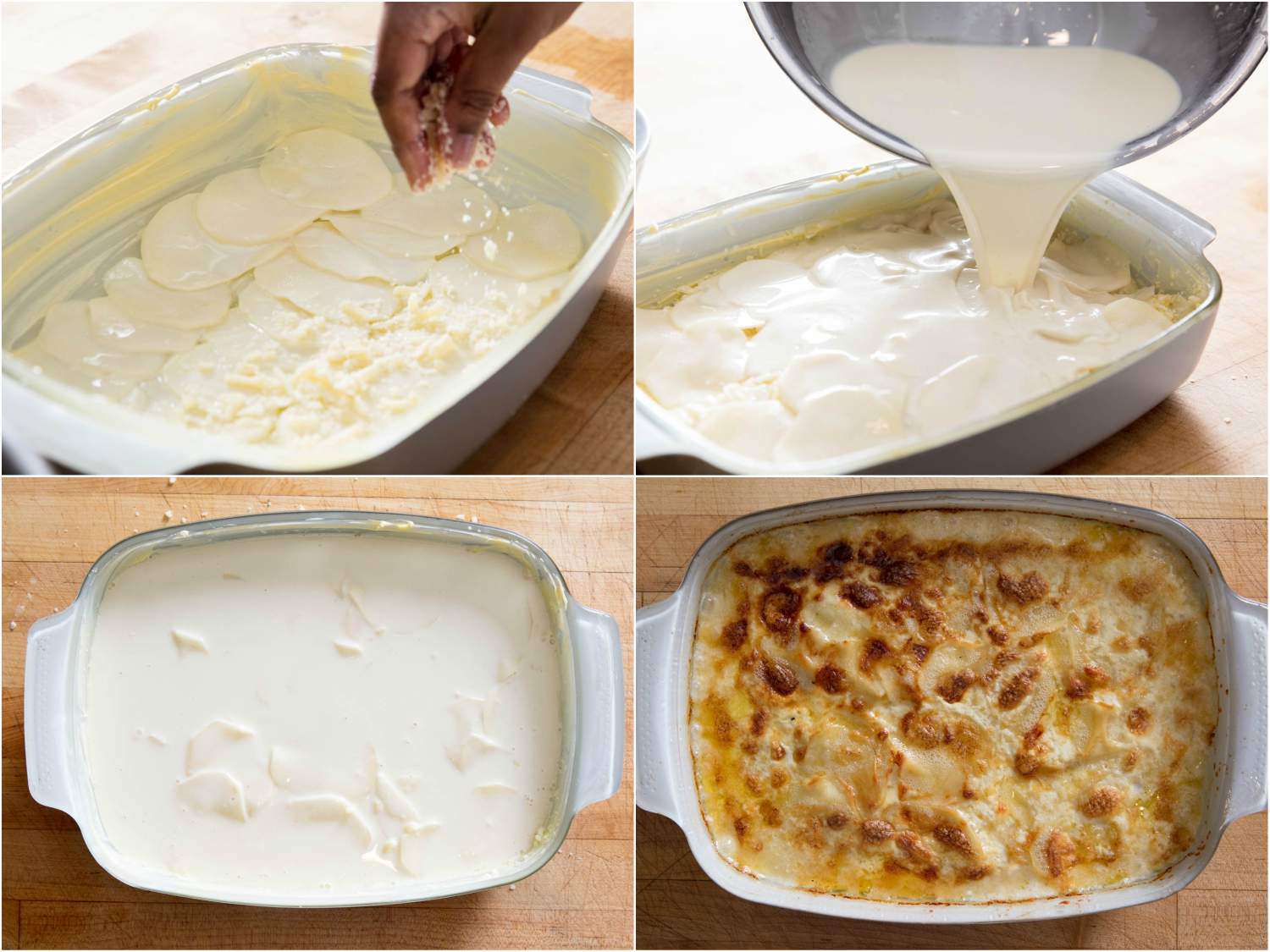
Preheat the oven to 350°F (177°C). Grease a 2-quart baking dish with 1 tablespoon softened butter. Layer the potato slices in the dish, sprinkling a small amount of a Parmesan-Gruyere blend (2 ounces Parmesan + 4 ounces Gruyere) between each layer. Leave the top layer cheese-free. Pour the remaining dairy over the potatoes.
Step 4: Bake to Perfection
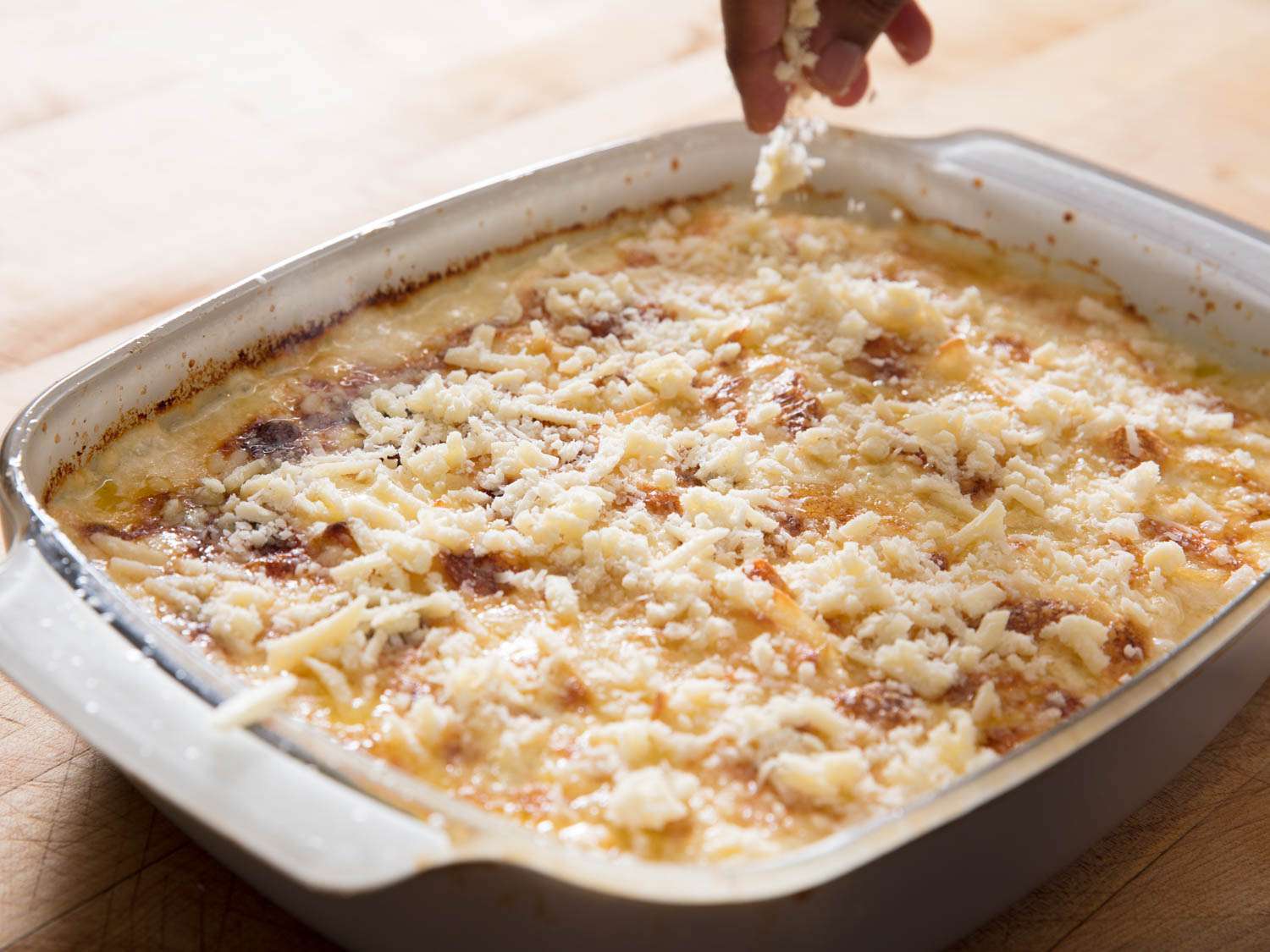
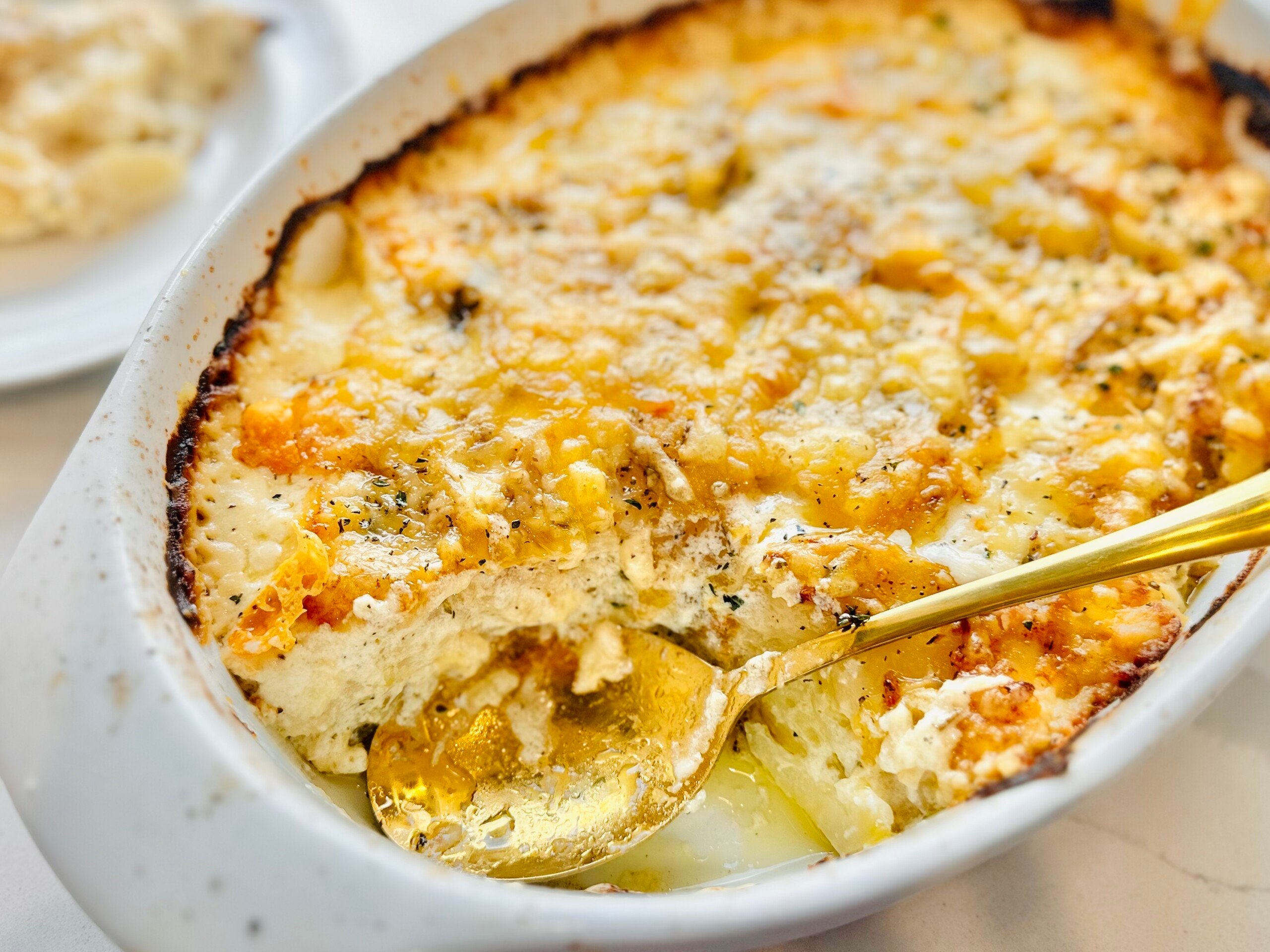
Cover the dish with foil and bake for 1 hour. Remove the foil, sprinkle the remaining cheese on top, and bake uncovered for 15–20 minutes until the sauce thickens and the top is golden brown. Let rest for 30 minutes before serving.
Recipe Details
Ingredients
2 cups (480 ml) heavy cream
1 cup (240 ml) whole milk
2 medium garlic cloves, smashed
2 small shallots, quartered
1/8 teaspoon freshly grated nutmeg
6 sprigs fresh thyme
2 teaspoons whole black peppercorns
1 1/2 teaspoons Diamond Crystal kosher salt (use half as much table salt)
3 medium russet potatoes (1 3/4 pounds)
2 ounces grated Parmigiano-Reggiano
4 ounces grated Gruyère
1 tablespoon unsalted butter, softened
Directions
Infuse the dairy: Combine cream, milk, garlic, shallots, nutmeg, thyme, and peppercorns in a saucepan. Boil, then steep for 1 hour. Reheat, strain, and set aside.
Prep potatoes: Peel and slice russets thinly into the hot dairy. Stir to coat.
Layer the dish: Preheat the oven to 350°F. Grease a baking dish with butter. Layer potatoes and cheese (leave top layer cheese-free). Pour remaining dairy over.
Bake: Cover with foil and bake for 1 hour. Remove foil, add remaining cheese, and bake uncovered for 15–20 minutes. Rest for 30 minutes before serving.
Nutrition Facts (Per Serving)
Nutrient
Amount
% Daily Value*
Calories
442
—
Total Fat
31g
40%
Saturated Fat
20g
98%
Cholesterol
98mg

33%
Sodium
627mg
27%
Total Carbohydrate

29g
10%
Dietary Fiber
3g
11%
Protein
12g
—
Vitamin C
10mg

51%
Calcium
320mg
25%
Iron
1mg
8%
Potassium
735mg
16%
*Percent Daily Values based on a 2,000-calorie diet.
By focusing on these key details—infused dairy, starch retention, and balanced cheese—you’ll get a gratin that’s crispy on the outside, creamy on the inside, and flavorful from top to bottom. No more neglecting the middle—this dish is meant to be enjoyed in every bite.


